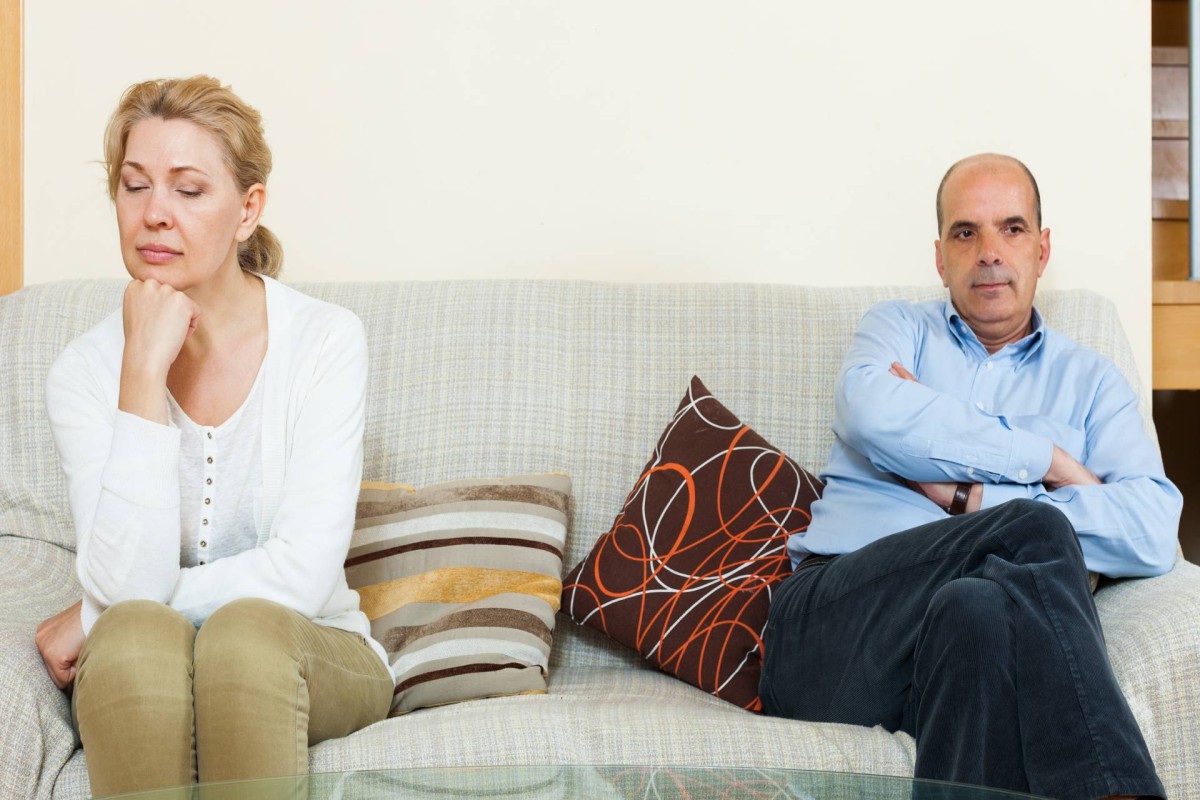

You might’ve heard of quiet quitting, a term for employees who are silently resigned but remain in their roles with a passive, disinterested attitude. Another term has emerged to describe a similar sentiment among long-time couples: quiet divorce.
Intimacy erosion is more common than society cares to admit. Some relationships end with a big fight or sudden, intense revelation, but most end quietly and fizzle away. Perhaps divorce isn’t an event then, but a process. Turning it around is possible.
It might begin with fewer conversations at the end of the day, less curiosity about each other, and a growing reliance on routine to carry the relationship forward rather than a genuine connection. Over time, that emotional disengagement can become habitual, and couples start operating more as flatmates than partners.
We have to get real about our expectations. Long-term relationships are built on that early sense of close chemistry we feel, but the reality is they require ongoing maintenance. When partners stop tending to each other’s needs or assume the other should simply “know” how they feel, resentment builds in the gaps.
Unspoken disappointments harden into distance, and conflicts become something to avoid rather than address. By the time either person recognises the drift, the silence between them can feel impossibly wide.
External pressures also chip away at intimacy and deprioritise the relationship. Work stress, family commitments, health issues, or emotional burnout can leave people with little energy for their relationship, and partners may misinterpret this exhaustion as a lack of love or interest.

National marriage data in decline
Marriage rates continue to decline from one generation to the next, driven by changing societal views of marriage and economic factors, among others. In 2024, there were just over 18,000 marriages and civil unions by couples living in Aotearoa. That’s 4% lower than in 2023 and 14% lower than in the 1990s (when nearly 21,000 couples wed each year).
“Marriage is no longer seen as the only or necessary path for a committed relationship – there are higher proportions of people in de facto relationships than a decade ago, and more recently, around half of babies born have parents that are not married,” Stats NZ’s population estimates, projections, and coverage spokesperson Rebekah Hennessey said.
The latest divorce data shows that around 60% of couples remain married for life. One in 20 marriages ends in divorce after five years, and around one-third of marriages end in divorce by the 25th wedding anniversary.
“With fewer people marrying, a decline in divorces is to be expected. Additionally, changing views of marriage, and people being older on average when they do marry, may mean that those who do marry are making more intentional choices, potentially reducing the chance of divorce.” To continue reading, visit: https://plusliving.co.nz/the-finances-of-getting-divorced-after-50/
Avoiding quiet divorce
It requires conscious and consistent reconnection. Couples need to be curious about each other, their thoughts, their stresses, their hopes and dreams. You cannot assume you know everything. So, setting aside regular time to talk emotions can help. Don’t forget those small gestures of affection, either.
Communication also needs to move beyond conflict avoidance. Addressing discomfort early, and with compassion, prevents small frustrations from calcifying into long-term resentment. A quiet divorce is like a bystander effect between two people. Closed mouths don’t get fed, and there’s no problem unless said.
Partners who can name what they need, apologise when required, and listen without defensiveness create an environment where vulnerability feels safe rather than risky. This kind of dialogue doesn’t totally eliminate disagreement, but it does live at the start of that path.
Long-term couples benefit from intentionally creating shared meaning. Whether through new activities, revisiting old rituals, planning future goals, or making space for joy and playfulness, connection thrives when both people feel like they’re building something together.
Even during stressful periods, prioritising the relationship is needed and keeps the intimacy alive. Quiet divorce may unfold slowly, but so can repair. Life is too short. Follow your heart.