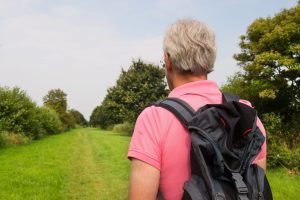

Retirement villages point to design futures. If there is any demographic that deserves the best living arrangements, it’s those who have already given back to society their entire lives. Senior living communities value convenience and an easy lifestyle over face-value aesthetics and design trends.
Plus, how we accommodate our most vulnerable has benefits for everyone. It’s called the curb-cut effect, the principle where solutions designed for those with the greatest obstacles create stronger and more inclusive systems for all.
With all of this in mind, it’s no wonder that retirement village design has been experiencing radical change. Life expectancy is rising, and so is what life after retirement looks like. Today’s villages are a far cry from the communities of yesteryear. There’s a newfound focus on a resort-like lifestyle that allows residents to continue their hobbies and find new ones. Environmental sustainability, social community, and modular versatility are now cornerstones for designers of these communities.
Passionate about purpose
The Senior Trust Retirement Village Income Generator (STIG) is a specialist lender to the nation’s aged care sector. It looks to deliver returns to investors and support the growth of high-quality senior living communities. John Jackson, STIG’s executive director, sees operators and architects work closely to ensure every element of a village serves a purpose.
He says well-designed senior living communities can be more than mere places to live. They can foster connection, enable wellbeing, and reflect the kind of sustainable development that he says many Kiwis want to see in their wider neighbourhoods.
“Developers are planning with connection in mind. You’re seeing shared green spaces, integrated healthcare access, and common areas that draw people out of their homes. That’s not accidental — it’s a direct response to how people want to live as they age.”
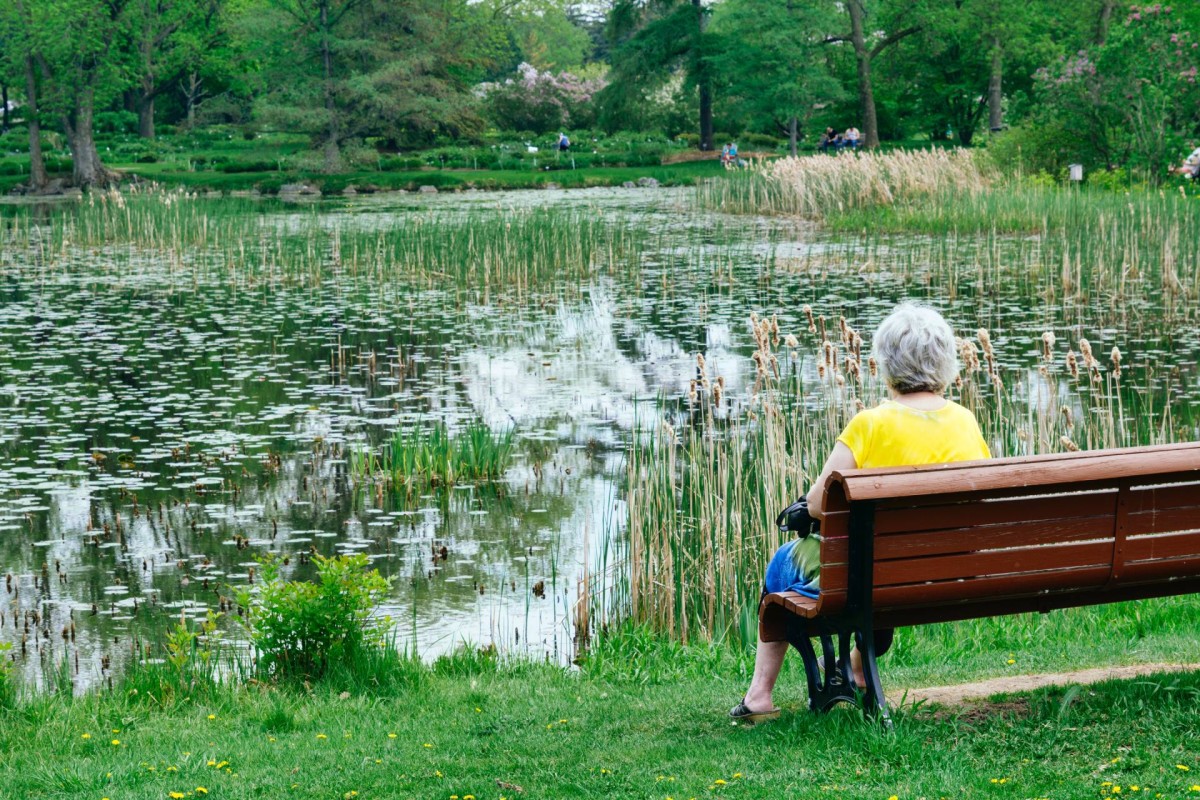
Regarding the curb-cut effect, Jackson says the long-term success of these new retirement villages depends on achieving a balance between independence and support. “From a bench in the shade to the way footpaths are laid out, the attention is on enabling people to stay active, connected, and safe.”
Design plays a huge but quiet role in maintaining autonomy and dignity, especially as residents’ needs change. Newer developments prove that care can come without that clinical feeling. Ramps, wider doorways and single-level layouts are the norm, but there’s a stronger emphasis on achieving design goals with subtlety. Interiors might do this by prioritising warmth, natural light and sensory ease, while outdoor areas might be shaped to encourage movement and casual social connection.
“Retirement villages are not a fringe development. They’re an integral part of the housing system, and their design can inform better living environments for everyone.”