
Retirement is often described as the beginning of a new chapter. After decades shaped by work schedules, family responsibilities and busy routines, many retirees suddenly find themselves with something that once felt in short supply – time. With that time comes the opportunity to reconnect with hobbies from the past.
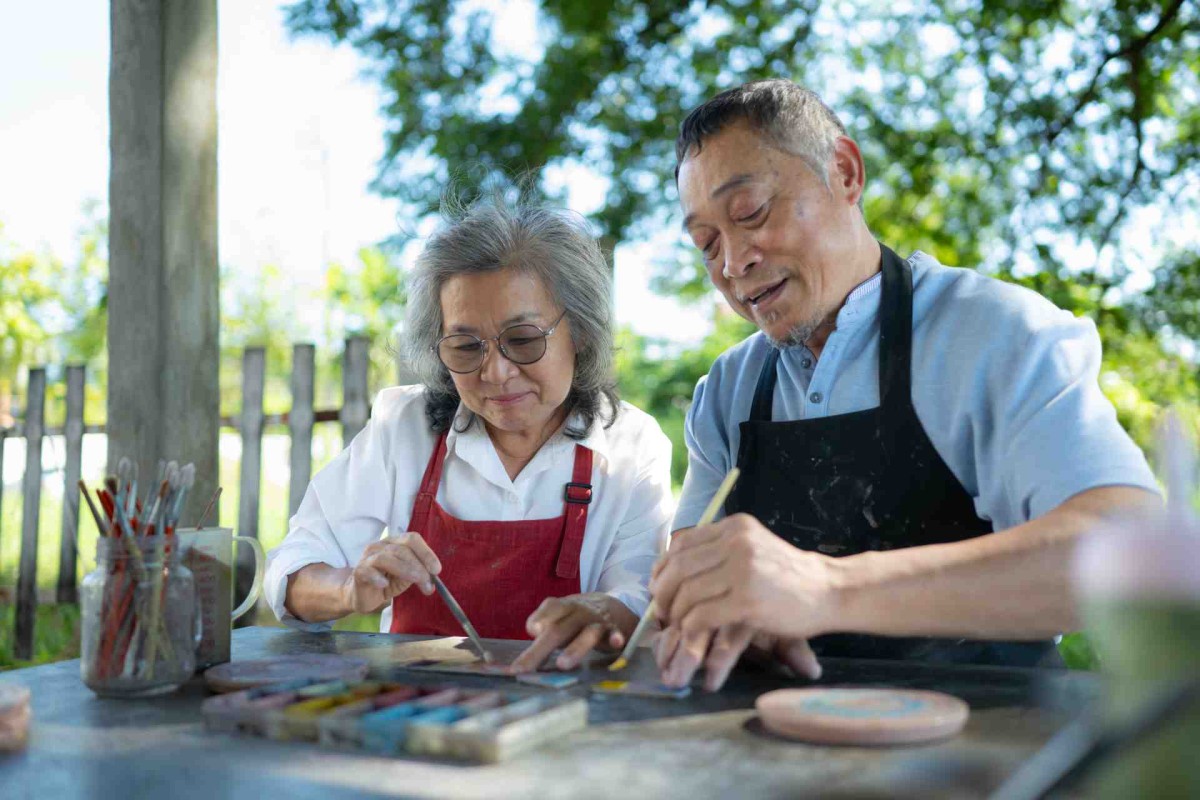
For many retirees, picking up an old interest can feel a little like meeting an old friend. It could be dusting off a guitar that hasn’t been played in years, pulling out knitting needles that were tucked away, or returning to a favourite pastime like gardening, painting, fishing or woodworking. These activities may have been put on hold during the busier years of life, but the enjoyment they once brought can be regained.
There are many reasons why revisiting former hobbies is so rewarding in later life. One of the most important is the sense of identity they can restore. Work and family life often define who we are for decades and when those roles change, it’s easy to feel a little lost. Returning to an activity you once loved can help remind you of who you were and who you still are.
Hobbies also provide a powerful boost to mental and emotional wellbeing. Learning or relearning a skill keeps the brain active and engaged. Activities like puzzles, crafts, music or language learning help maintain memory and concentration, while creative outlets offer a sense of purpose and achievement. Even something as simple as tending a vegetable patch can bring daily satisfaction and a feeling of accomplishment.
Just as importantly, hobbies create opportunities for social connection. Many older people discover that joining a club or group linked to their interests opens up a whole new circle of friends. Whether it’s a local choir, a walking group, a community art class or a book club, shared activities bring people together in natural and meaningful ways. For those who may feel isolated after leaving the workforce, these connections can be invaluable.
Physical hobbies have their own special benefits. Swimming, dancing, bowls, cycling or gentle yoga are not only enjoyable but help maintain strength, balance and mobility. Staying active in retirement is one of the best ways to protect long-term health, and doing it through a favourite pastime makes it feel far less like exercise and far more like fun.
Reconnecting with old hobbies doesn’t mean everything has to be exactly the same as it once was. Retirement can also be a time to adapt interests to suit changing abilities. Someone who once loved hiking might switch to shorter nature walks. A keen sportsperson might take up coaching instead of competing. The joy comes from staying involved, even if the way you participate looks a little different.
Many retirees are surprised to find they are braver about trying new things as well. With fewer pressures and more freedom, it becomes easier to sign up for that photography course, learn to play the piano, or finally write the family history. The wisdom and patience that come with age often make learning feel more relaxed and enjoyable than it did in younger years.
The key is simply to begin. Start small. Set aside a little time each week for something that makes you happy. Visit the local library, community centre or senior citizens’ group to see what activities are available. Ask friends what hobbies they enjoy. Often, all it takes is one small step to reignite a long-forgotten passion.
The older years are a time to rediscover parts of yourself that may have been put aside along the way. By reconnecting with hobbies from the past, you can enrich your life with creativity, friendship, purpose and joy. This new appreciation of free time is one of the greatest gifts of growing older.