
8th May 2026
Seven out of ten New Zealanders want to remain in their current homes for the rest of their lives, only considering a move if their health declines significantly or following the loss of a partner. But new research suggests that while the desire for independence is strong, the practical support needed to make that possible is not always in place.
A study commissioned by St John at the end of 2025, surveying more than 1,300 people, found confidence and concern across generations. The poll of older adults and their adult children found that more than half of respondents aged 65 and over now live alone, up 7% since 2016. 62% of older women report living alone.
At the same time, health complexity is common. Around 84% of respondents take medication for an ongoing condition, while one in four has experienced a fall or unplanned hospital visit in the past year. Despite this, only 42% of those with medical alarms say they have someone nearby who could help in an emergency.
That disconnect is even more pronounced within families. Nearly 60% of adult children believe their parents have close-by support, yet 86% report some level of worry about their parents’ wellbeing. By comparison, just 66% of medical alarm users express concern, suggesting older people may feel more confident in their safety than their families assume.
Living alone is the most common reason people adopt personal medical alarms, particularly among older women in good health who maintain strong social contact. In contrast, those motivated by medical conditions tend to be men aged 65–74, more likely to be living with others but in poorer health.
Hato Hone St John’s General Manager of Telecare, Nick Coley, says the findings point to a need for earlier and more open family conversations about ageing, risk, and support planning.
“As a country, we need to shift the conversation. Families need to work together with each other and with health services,” says Coley. “Supporting older people isn’t just about emergency response, it’s about building connected communities where people can stay healthy and age well at home.”
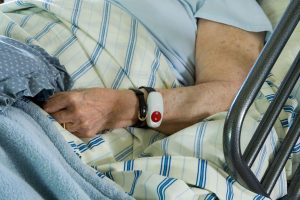
For 84-year-old Betty King, a St John Medical Alarm proved life-saving after a serious fall in her bathroom left her unable to call for help. Pressing her alarm triggered a rapid response that brought both emergency support and her family to her side.
“These days, people are a lot more heads down and don’t have their ears and eyes open,” Betty’s daughter Karen says. “On the day of Mum’s accident in the bath, no one heard her screaming. It could have ended very differently if Mum didn’t have her alarm.”