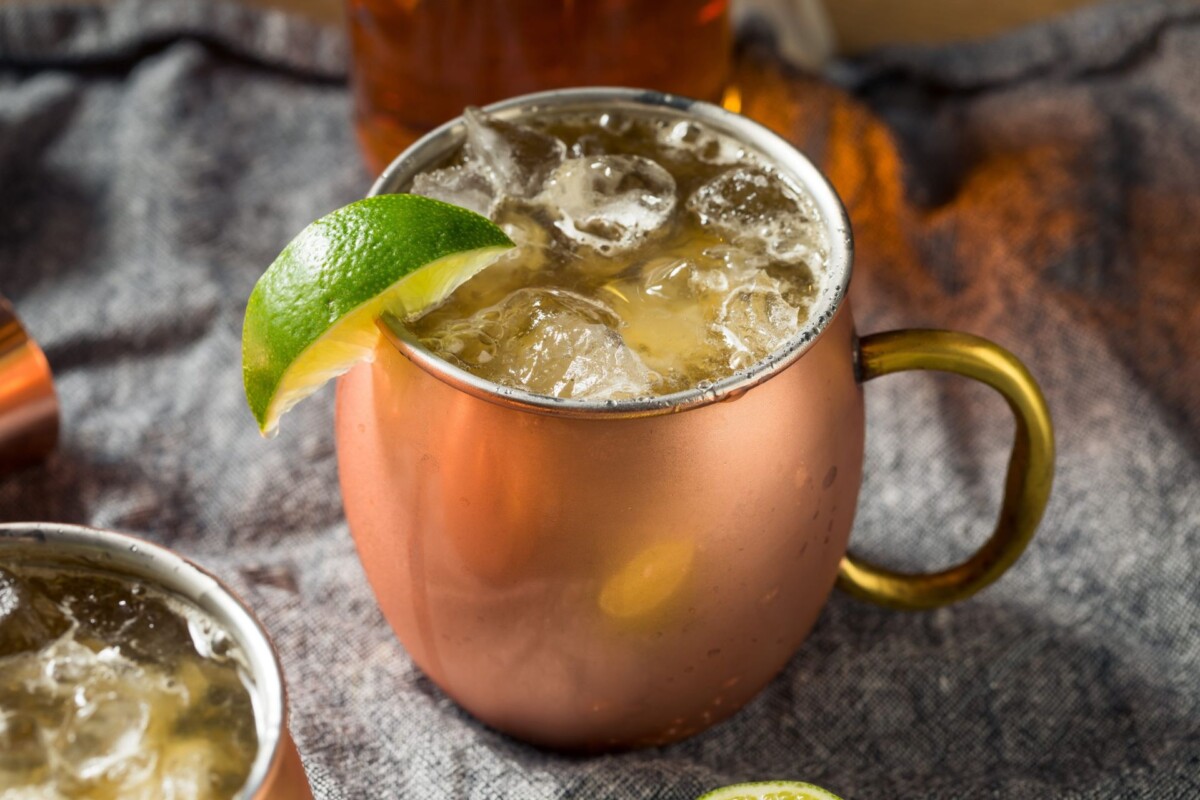

A small cast-iron fish dropped into a pot of soup. A hammered copper cup left brimming with water overnight.
Both have become fixtures of wellness content online, pitched as low-effort ways to fix common mineral shortfalls. The claims sit closer to plausible than most viral health hacks, but the fine print matters more than the videos let on.
The iron fish, sold under brand names including Lucky Iron Fish, is built on real chemistry. Lucky Iron Fish tells users to boil the fish for 10 minutes in a litre of liquid with half a teaspoon of lemon juice, vinegar or another acid, and says that releases 6 to 8 mg of iron per litre.
The mechanism is the same one behind the old advice to cook in cast-iron pots. A 2019 review in PLoS One found half of the iron-pot studies it examined showed a benefit.
The evidence for the fish itself is mixed. A 2017 randomised trial of 340 anaemic women in rural Cambodia found no difference in haemoglobin after a year between those who cooked with it and those who didn’t.
Only 9% of the women in that trial were iron deficient, and the researchers advised against the fish in a population like that. The 2019 review found only one of three iron ingot studies showed a clear benefit.
Absorption is the other complication. Iron from food and cooking equipment is only as useful as the body’s ability to take it up.
Phytates in grains, beans and legumes bind iron in the gut before it can be absorbed, while polyphenols in tea and coffee do the same, so timing tea or coffee away from meals helps.
Vitamin C from citrus or capsicum helps the body absorb iron. A 2010 review in the American Journal of Clinical Nutrition found these single-food effects shrink across a varied diet, though, and a person’s own iron levels matter more.
For anyone with a diagnosed deficiency, a cast-iron fish is at most an add-on to a considered diet, not a replacement for one. The maker says people with haemochromatosis, an inherited iron-overload condition, shouldn’t use it.
Copper drinking vessels rest on shakier ground. The Ayurvedic practice of storing water in copper overnight, sometimes called tamra jal, is promoted online with claims ranging from better digestion to weight loss and immune support, most of which have no direct clinical backing.
What evidence does exist supports a narrower claim. In a 2012 lab study published in the Journal of Health, Population and Nutrition, drinking water spiked with cholera, Shigella, Salmonella and E. coli bacteria had no recoverable bacteria after 16 hours in copper pots.
That has real value in places without clean water infrastructure. It’s a long way from the broader wellness claims attached to copper cups sold as lifestyle products.
Copper is also a case where more isn’t better. New Zealand and Australian nutrient reference values set an adequate intake of 1.7 mg of copper a day for men and 1.2 mg for women, with an upper limit of 10 mg a day from food and supplements.
The bigger risk is what goes in the cup. In the 2012 study, water stored in copper picked up about 0.18 mg of copper per litre, well under the World Health Organization’s drinking water guideline of 2 mg.
Acid changes that. The US Food and Drug Administration’s Food Code, the model rules for American food businesses, bars copper from contact with acidic food and drink such as fruit juice, vinegar or wine, because acid dissolves the metal into it.
Both trends share a pattern common to nutrition content built for short-video platforms. A real, narrow mechanism gets stretched into a broader promise.
Iron fish and copper cups are unlikely to cause harm used sensibly, but neither replaces a blood test, a varied diet or a conversation with a doctor for anyone worried about a mineral deficiency.