
Kiwis are retiring later, staying healthier for longer and expecting their housing to support more active routines. But while today’s older New Zealanders may be living longer and aiming higher, the ability to enjoy retirement still depends heavily on what people can afford, what their health allows, and what kind of community they have access to.
Senior Trust Retirement Village Income Generator (STIG) executive director Scott Lester says the negative stereotypes about retirement villages no longer reflect reality.
“Today’s retirees want access to green spaces, cultural activities and integrated health services, not just accommodation,” he says. Preferences are changing, communities are now designed rather than assumed, and, at its core, people are long living wholeheartedly, meaningfully, with purpose.
That shift also reflects what many older New Zealanders don’t want: isolation, cliques, boredom, and environments that feel sterile or depressing. Retirement is no longer viewed as a slow fade-out. For many, it is becoming a new stage of independence and reinvention.
“We are seeing boomers use their housing equity to create the retirement lifestyle they want. For many, it’s about freeing themselves from maintenance, enjoying purpose-built spaces, and staying socially connected.”
Yet inequities emerge. Not every older Kiwi enters retirement with strong housing equity, stable income, or the same choices around lifestyle and wellbeing. While some retirees can invest in fitness, travel, hobbies, and supportive living environments, others face rising rents, limited savings, or the pressure of supporting a family.
The desire to stay active may be widespread, but the ability to do it consistently can be shaped by cost, transport access, and health. Still, many older New Zealanders are finding ways to stay involved in meaningful, low-cost ways.
Volunteering remains a key outlet for New Zealanders living and leading with purpose. Kiwis aged 65 and over still show high levels of volunteering participation at 54%, per Stats NZ wellbeing statistics. Connection and compassion at heart, this trend has grown as communities partner with local charities, schools, hospitals, and environmental groups.
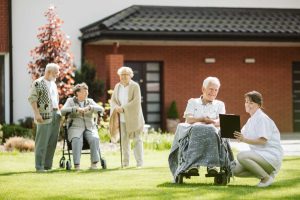
Health is another core principle. Beyond seeking fun, older Kiwis want to protect their mobility, manage chronic conditions, and maintain their independence, Lester says.
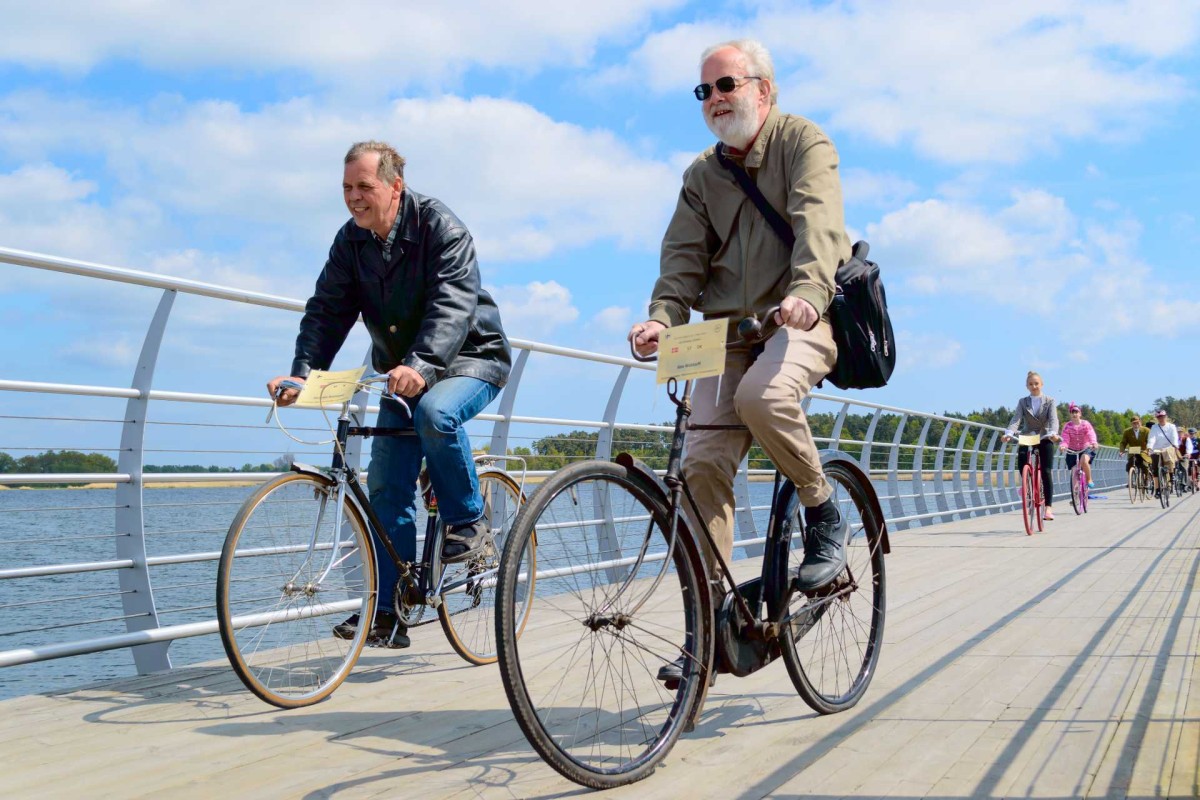
A clear pattern is that the most common activities are accessible and repeatable. Sport NZ reports walking as a leading activity, alongside swimming, cycling and jogging or running. Australia’s participation data tells a similar story, with walking as the top activity and gym or weight training also ranking high among adults. AusPlay reporting likewise lists walking, fitness or gym, bushwalking, running or jogging, and swimming among the most popular activities for Australians.
These trends are reflected in how retirees are living. Those nearing retirement should not expect their lives to become sedentary. One ‘active, social and learnable’ senior living example saw tai chi, golf, kayaking, paddleboarding, swimming and yoga on the itinerary.
But those lifestyles also create practical demands. If older adults are expected to stay mobile and socially connected, then retirement living needs the right infrastructure: safe walking routes, nearby parks and beaches, pools, small gyms, and spaces that can support regular classes. It also strengthens the case for programming that is light-touch but consistent, such as guided walking groups, aqua classes, mobility and strength sessions, and balance-focused formats.
As important is not assuming community. People will always want connection, but fewer Kiwis can rely on long-standing neighbourhood networks and familiar routines to provide it. Technology is also reshaping how older adults stay connected and independent, but it’s most effective when paired with real-world connections, physical spaces, routine encounters, activities, and volunteering.
The overall picture is changing. Older Kiwis aren’t winding down. They’re staying active, are socially engaged and motivated by purpose. But the experience isn’t equal for everyone, and the future of retirement will depend on whether housing, infrastructure and social support are designed to match the reality of ageing today: longer lives, higher expectations, and a growing need for spaces that keep people healthy, connected and independent for as long as possible.