
An Auckland retirement village is considering an electric vehicle ban due to concerns about fires. Some residents want electric vehicles to remain.
Some residents at Fairview Lifestyle Village in Albany believe the fire risk that electric vehicles pose to the busy community’s residents and homes outweighs the ease-of-life benefits they bring.
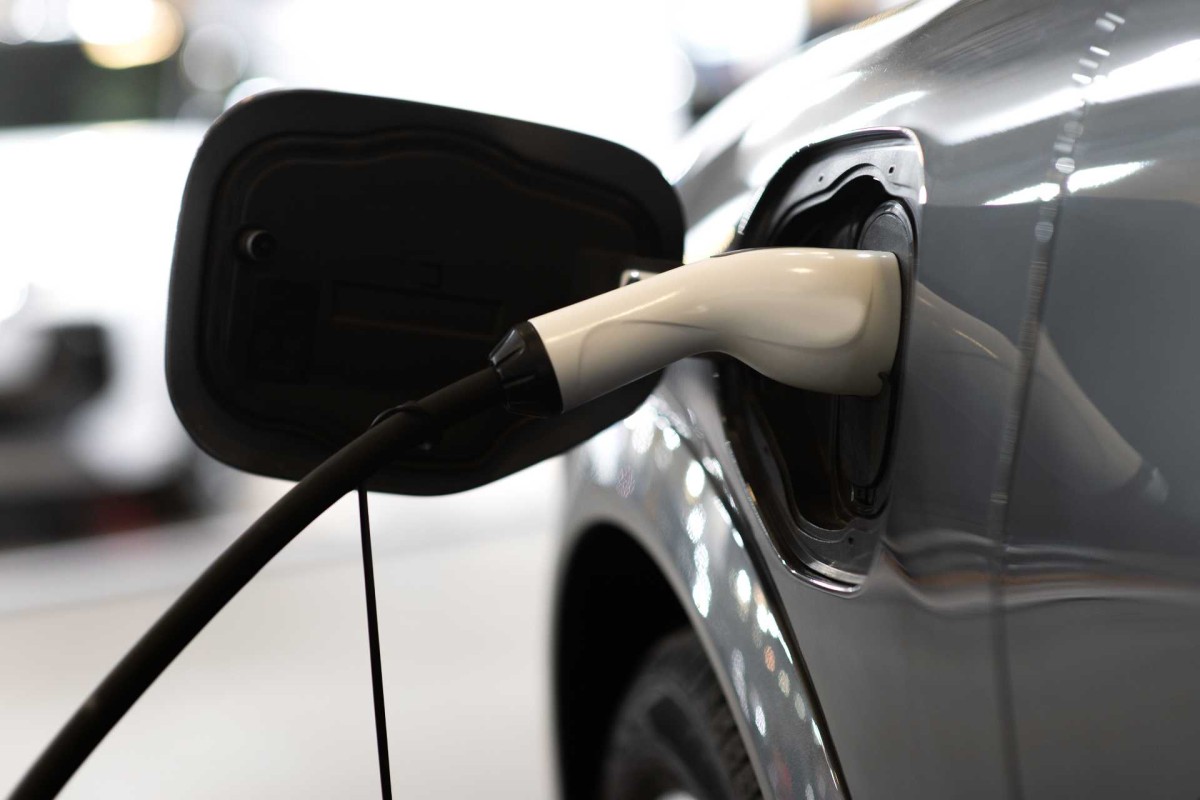
Electric vehicle fires can be tougher to extinguish than petrol car fires. The lifestyle village was unsure who would be legally responsible for mitigating the risks associated with the vehicles. These liability issues will be a central talking point about electric vehicles in 2026.
The policy extends to electric cars, e-bikes, e-scooters and wheelchairs. A lengthy consultation process will follow.
Residents who already own electric vehicles within the gated North Shore community would be allowed to keep them. Still, no new electric vehicles would be allowed in if the policy ban goes ahead.
Fairview Lifestyle Village said its overriding concern was keeping its 300 residents, its staff, visitors and property safe.
WorkSafe says that as the number of electric vehicles on the roads increases, so too does the infrastructure needed to charge them and keep them safe.
The New Zealand Transport Association (NZTA) says more than 80% of our electricity comes from renewable sources and that over 85% of homes have off-street parking, making home changing easy and convenient.
Coupled with the fact that typical urban commutes in New Zealand average only about 22 km per day, which is well within the range of most EV batteries, research suggests that EVs are a low-carbon, practical transportation option for many households.
Nigel Matthews, chief executive of the Retirement Village Residents Association, told RNZ this is the first such situation they’ve encountered.
While he acknowledged residents’ concerns, he said it is encouraging to see the operator following the rules and conducting proper consultation before introducing any change that could significantly impact those living there.
Matthews also pointed out that media coverage may be heightening anxiety about electric vehicles, especially when petrol and diesel car fires rarely receive the same attention.
He said any proposed policy should look more broadly at the full range of battery-powered devices, rather than singling out electric vehicles alone.
Fire-safety experts argue that with proper charging infrastructure and attention to battery care, the overall fire incidence of electric vehicles remains low compared to petrol and diesel cars.