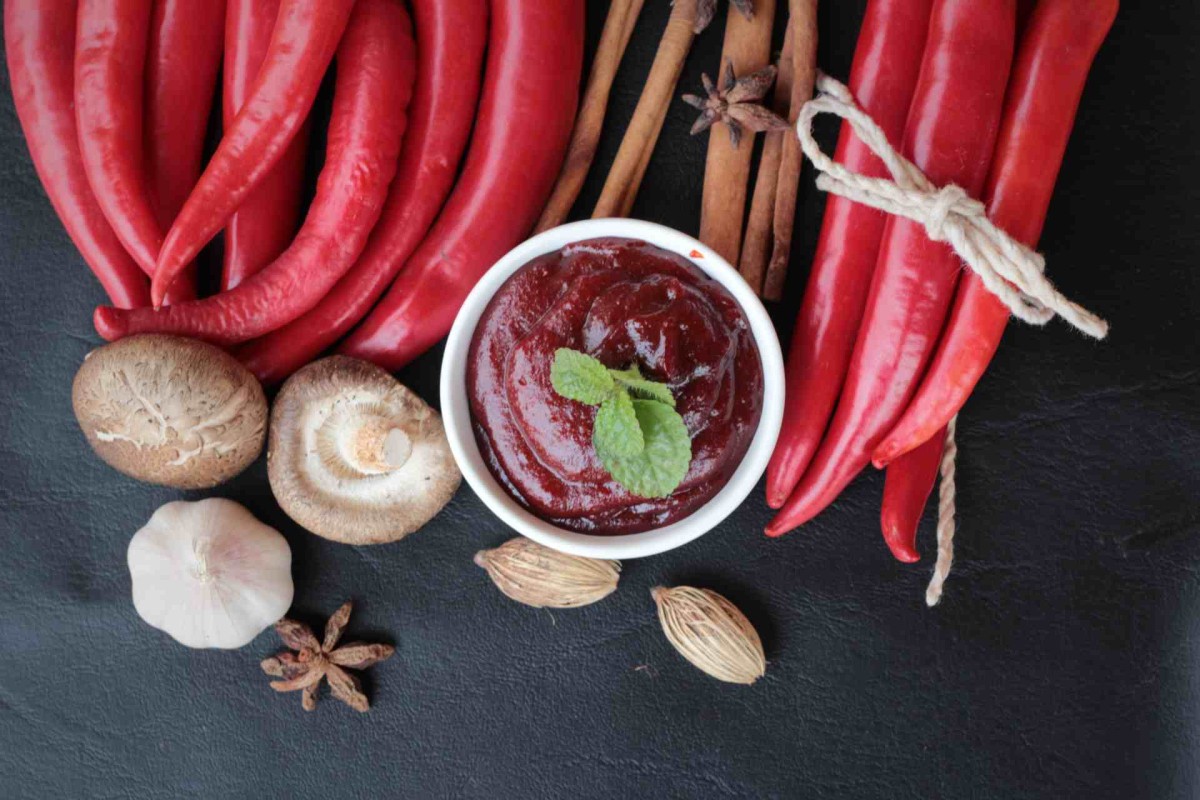

Gochujang is a delicious ingredient that can totally transform your kitchen. The staple Korean fermented chilli paste is renowned for its bold, complex flavour profile combining spicy heat, savoury umami, subtle sweetness, and a hint of nuttiness.
Originating from Korea, it’s crafted primarily from gochugaru (Korean red chilli powder), fermented soybeans (meju powder), glutinous rice or barley malt for sweetness, and salt.
The mixture undergoes a months or years-long fermentation in earthenware pots, developing its signature deep red colour and thick, sticky texture.
But fear not, heat levels vary by brand, from mild to fiery, with common varieties labelled by spiciness from one to six. It’s a pantry essential in Korean cuisine, adding depth to everything from stews to marinades.
The paste’s magic lies in fermentation: the soybeans provide umami richness similar to miso, while glutinous rice tempers the chilli’s bite with natural sugars.
A typical tablespoon offers about 20-30 calories, low fat, some protein from soybeans, and vitamins A and C from peppers. It’s naturally gluten-free if made traditionally, though check labels for additives like corn syrup in commercial versions. Pro tip: store opened tubs in the fridge for up to a year; the flavour intensifies over time.
If you’re like me and love simple, comforting meals that feel a bit special without fuss, gochujang is your new favourite flavour. Start small with a mild jar from the supermarket’s international aisle; no need for anything fancy.
Glaze roast chicken with two tablespoons of mild gochujang, one tablespoon of honey, one tablespoon of soy sauce and a minced garlic clove. Rub over a whole chicken or thighs, pop in a 180°C oven for 45-60 minutes until golden and juicy. The sticky glaze caramelises beautifully, like barbecue sauce but healthier, and leftovers make lovely sandwiches.
Got potatoes, carrots, onions, or broccoli? Chop them up, toss in a casserole dish with one teaspoon of gochujang stirred into cream or yoghurt (start mild to taste), top with cheese, and bake at 180°C for 40 minutes. Pair with crusty bread for a cosy winter supper that warms the soul.
Stir one teaspoon of gochujang into one quarter cup of mayonnaise with a squeeze of lemon. Spread on toast for poached eggs, or slather over pan-fried fish fillets. It’s a quick flavour boost for simple lunches, like egg salad sandwiches or tuna on crackers; a twist on a familiar, beloved snack.
Brown 500g pork shoulder, add to slow cooker with 2 tablespoons gochujang, 1 chopped onion, a splash of apple juice, and salt. Cook low for 6-8 hours until shreddable. Shred for pulled pork rolls, rice bowls, or soups. This will feed you for days with minimal effort.
These dishes nod to your classics while adding a gentle Korean twist. Gochujang keeps things nutritious and low-effort, perfect for busy days or sharing with loved ones. New kitchen adventures await you. International cuisines need not be intimidating, but delicious and exciting new flavours to welcome.