
13th April 2026
Circus skills may sound like something reserved for performers under a big top, but a growing number of older New Zealanders are proving otherwise. Across the country, circus-based movement classes are gaining traction among people over 60. They offer a playful way to build strength, improve balance, and stay socially connected.
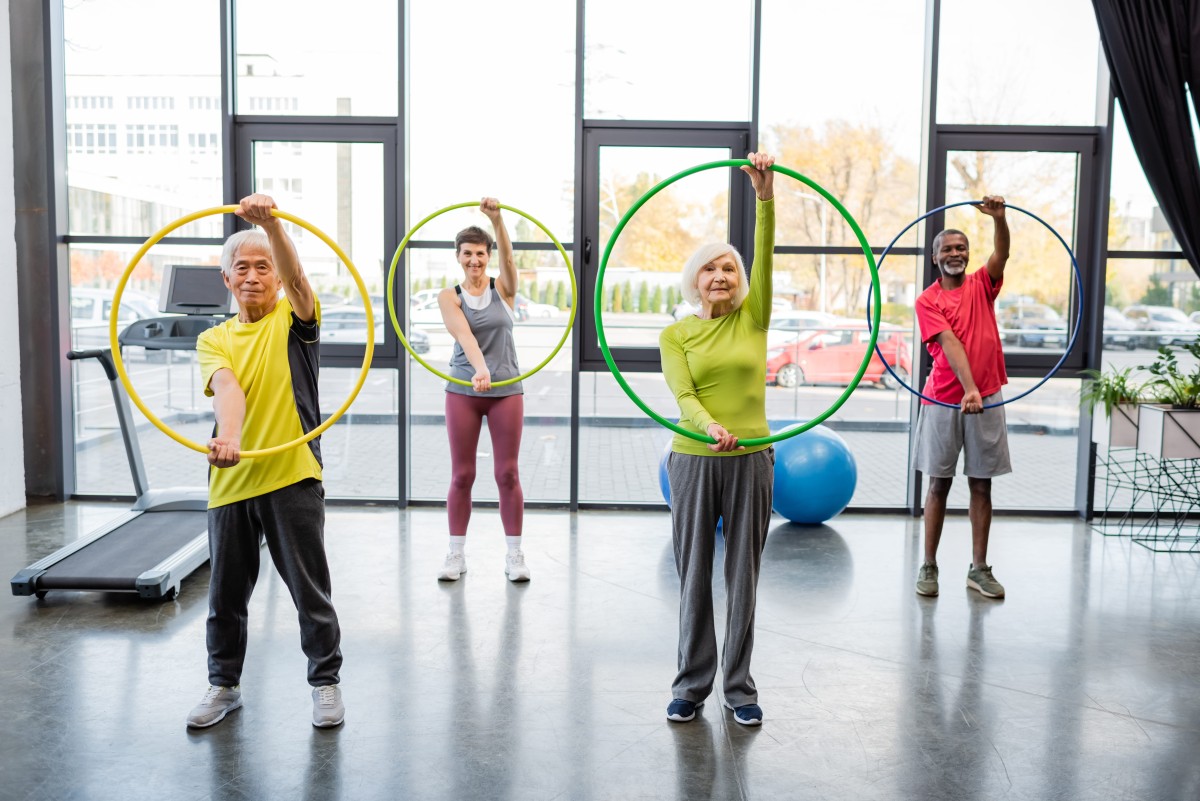
From juggling and hula hooping to basic acrobatics and aerial work, these classes are accessible for all. They are often adapted to suit different mobility levels. Many programmes focus on enjoyment first, with the added benefit of increased fitness a close second.
In Wellington, organisations such as Circus Hub run community classes that welcome older adults. In Auckland, The Dust Palace offers workshops for beginners and those returning to movement later in life. In Christchurch, CircoArts provides a range of classes that focus on coordination and confidence. These spaces are about participation rather than performance.
A study from the University of Sydney on older adults and balance training found that activities which challenge coordination can reduce the risk of falls. Falls remain one of the leading causes of injury among older people. Circus skills often involve controlled instability, which helps train the body to react and recover.
Juggling, for example, improves hand-eye coordination and reaction time. A study published by the University of Regensburg in Germany found that learning to juggle can also lead to changes in brain structure linked to improved visual and motor skills. While the study focused on younger adults, the principles apply across age groups. The brain remains capable of change throughout life.
Strength is another key benefit. Many circus exercises use body weight. This builds functional strength that supports daily tasks. According to research from the University of Otago’s School of Physiotherapy, maintaining muscle strength is critical for independence in later life. Activities that combine strength with movement patterns are especially effective.
Balance also improves through repetition and variety. Standing on one foot while tossing a ball may seem simple, but it challenges multiple systems in the body. Over time, this can lead to better stability. The New Zealand Accident Compensation Corporation highlights balance training as one of the most effective ways to prevent falls. Circus classes provide this in a way that feels fun rather than clinical.
There is also a strong social element. Many people who attend these classes value the sense of community. Group activities that involve shared learning can reduce feelings of isolation.
Participants often describe a sense of joy that comes from trying something new. There is freedom in being a beginner again. This mindset can support mental resilience. A report from the University of Exeter on creative activities and ageing found that learning new skills later in life can improve mood and cognitive function.
Cost and accessibility vary. Some community centres offer low-cost sessions. Others run term-based classes with concessions for seniors. It is worth contacting local providers to ask about options. Many providers offer trial sessions, which allow people to test the experience before committing.
For those considering a class, it helps to start small. Choose a beginner session. Wear comfortable clothing and tell the instructor about any injuries or limitations. Most importantly, approach it with curiosity rather than expectation.
Circus skills classes are not about perfection. They are about movement, play, and progress at your own pace. For many over 60, they offer a refreshing alternative to traditional exercise. They bring together physical health, mental stimulation, and social connection in one setting.