
5th May 2026
Hangnails are one of those small, irritating skin issues that can feel like they appear out of nowhere, especially when you’re using your hands a lot or the weather turns dry.
They’re those pieces of skin that hang along your nail, hence the name, that are oh so tempting to rip off.
While they’re usually harmless, they can be uncomfortable and tend to come back if the underlying causes aren’t addressed.
You’re more prone to hangnails when the skin around your nails becomes dry, fragile, or frequently exposed to irritation.
One of the biggest contributors is repeated handwashing or heavy use of hand sanitiser.
Both remove the natural oils that keep the skin soft and flexible, and without those oils, the skin around the nail edge is more likely to crack or peel.
Cold weather, low humidity, and indoor heating can have a similar effect by drying out the skin faster than it can repair itself.
Certain habits can also make hangnails more common. Picking at cuticles, biting nails, or even absentmindedly rubbing or peeling loose skin creates tiny tears that easily turn into hangnails.
Overzealous cuticle care, like cutting or pushing them back too aggressively, can weaken the protective barrier around the nail and leave the area more vulnerable to splitting.
People who regularly work with water, cleaning products, or harsh chemicals are also more likely to experience them due to ongoing skin stress.
Prevention mostly comes down to protecting and restoring moisture in the skin around your nails. Regular hand moisturising is key, especially after washing your hands.
A thicker hand cream or ointment works better than light lotions because it creates a stronger barrier.
Applying cuticle oil once or twice a day, particularly before bed, can make a noticeable difference over time by keeping the nail edges supple rather than dry and brittle.
It also helps to reduce exposure to harsh conditions where possible. Wearing gloves when doing dishes, cleaning, gardening, or using strong cleaning products can prevent repeated drying and irritation.
Even small changes like using lukewarm water instead of hot water when washing hands can help preserve natural oils.
If you do get a hangnail, it’s important not to pull it off, even if it’s tempting. Pulling can tear the skin further and lead to more damage or even infection.
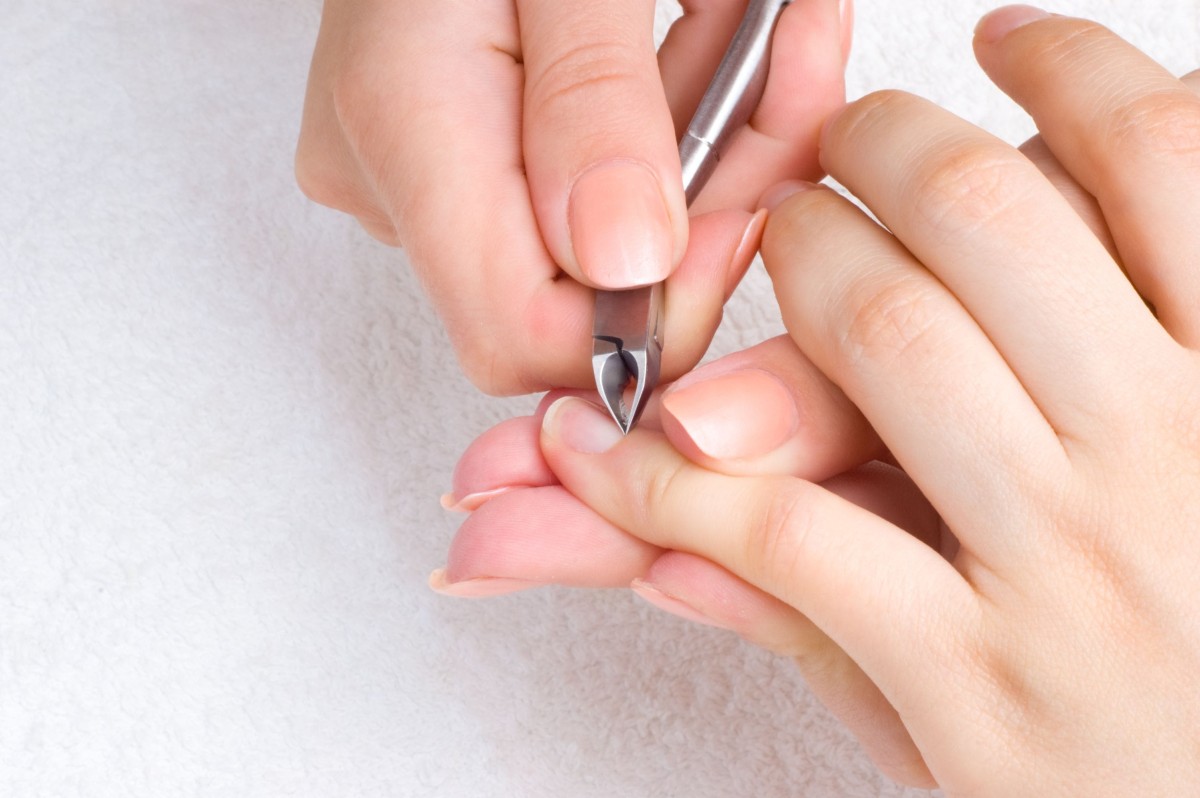
Instead, trim it cleanly with small scissors or nail clippers and gently moisturise the area afterwards to support healing.
With consistent care, most people find that hangnails become far less frequent. It’s usually not about one major issue, but a combination of dryness, exposure, and small daily habits that, once adjusted, make a noticeable difference.