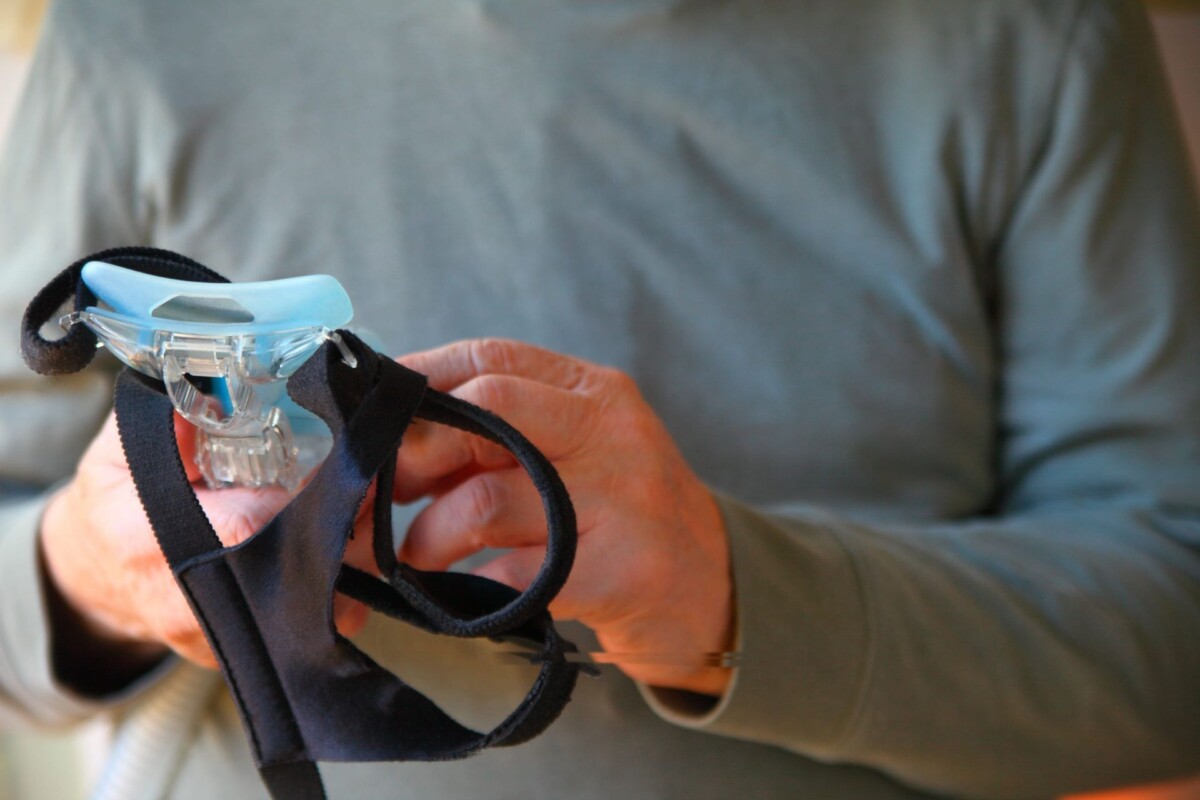

Sleep apnoea does not take a holiday. In New Zealand at least 4% of adult men and 2% of adult women have obstructive sleep apnoea, and most cases are thought to be undiagnosed. For those who do have a diagnosis, CPAP therapy is the most common and effective treatment, which means a machine has to come along on any trip where sleep matters.
With a little planning, travelling with a CPAP is straightforward. Most of the trouble comes from leaving the planning too late.
Keep it with you
Airline advice, including Qantas’s, is that a CPAP machine belongs in carry-on luggage and should not be checked, because checked bags get lost, delayed and knocked about. Medical devices are generally exempt from carry-on limits, but policies vary, so confirm with your airline. Keep the machine in its case with only CPAP accessories inside, since mixing in personal items can mean the bag counts toward your allowance.
At security you may be asked to take the machine out of its case. A clear plastic bag helps keep it clean on the way through the scanner. Carrying a copy of your prescription or a letter from your doctor can speed up any questions.
Check the airline rules early
Simply carrying a CPAP onto a plane is usually easy. Using it during a flight is where the paperwork starts.
Air New Zealand requires medical clearance for anyone who wants to use a CPAP on board, through its MEDA form. The airline needs at least 48 hours’ notice to use a CPAP on board, and asks for the form three to 14 days before travel where possible. Approved CPAP devices can only be used during the cruise phase of a flight, after take off and before landing, and some machines are approved for in-seat power only if they run in low power mode, with the humidifier off.
Qantas doesn’t require approval to travel with or use a CPAP on board, though it recommends carrying a letter from a medical professional explaining why you need the machine. The machine can be used at any time except taxi, take off and landing, on in-seat power where fitted or on battery.
A travel clearance form is needed if you want aircraft medical power, which must be requested at least five days before departure, or if you also need supplementary oxygen. Other airlines have their own approval lists, so contact your carrier through its medical or special assistance team rather than relying on general advice.
Think about power
Not every seat has a socket, and power outlets may not be available all the time. A travel battery makes sense for long overnight flights or remote destinations. Check the battery’s watt-hour rating before you fly, since carry-on lithium batteries are commonly capped at 100 watt-hours without special permission, and ask your airline if your battery is larger.
At your destination, find out what voltage and plug type is used. Many CPAP machines handle a range of voltages, but you will probably need a plug adapter. If you are staying somewhere basic, check there is a power point near the bed before you book.
Pack the small things
A compact travel CPAP, which is a fraction of the size and weight of a home unit, suits frequent travellers. Pack spare masks, filters and tubing, because replacing parts overseas is hard. Water for the humidifier is another problem.
Some travel machines use waterless humidification, and others can run with the humidifier switched off. Check your machine’s guidance before you go.
Look after your sleep on the road
Alcohol and sleeping tablets before bed are linked with a higher likelihood of sleep apnoea problems, so a few drinks on holiday are worth thinking about. Jet lag and unfamiliar beds disrupt sleep for everyone, and skipping therapy for a night or two to save hassle risks making that worse.
Other sleep conditions
If you live with another sleep condition, similar principles apply. Carry any medication in its original packaging with a doctor’s letter, ask your airline whether any equipment needs clearance, and keep sleep routines as close to normal as you can. A conversation with your doctor or sleep clinic before a major trip is worthwhile.
Treatment is meant to travel with you, and the airlines have processes in place to make that possible if you start early.