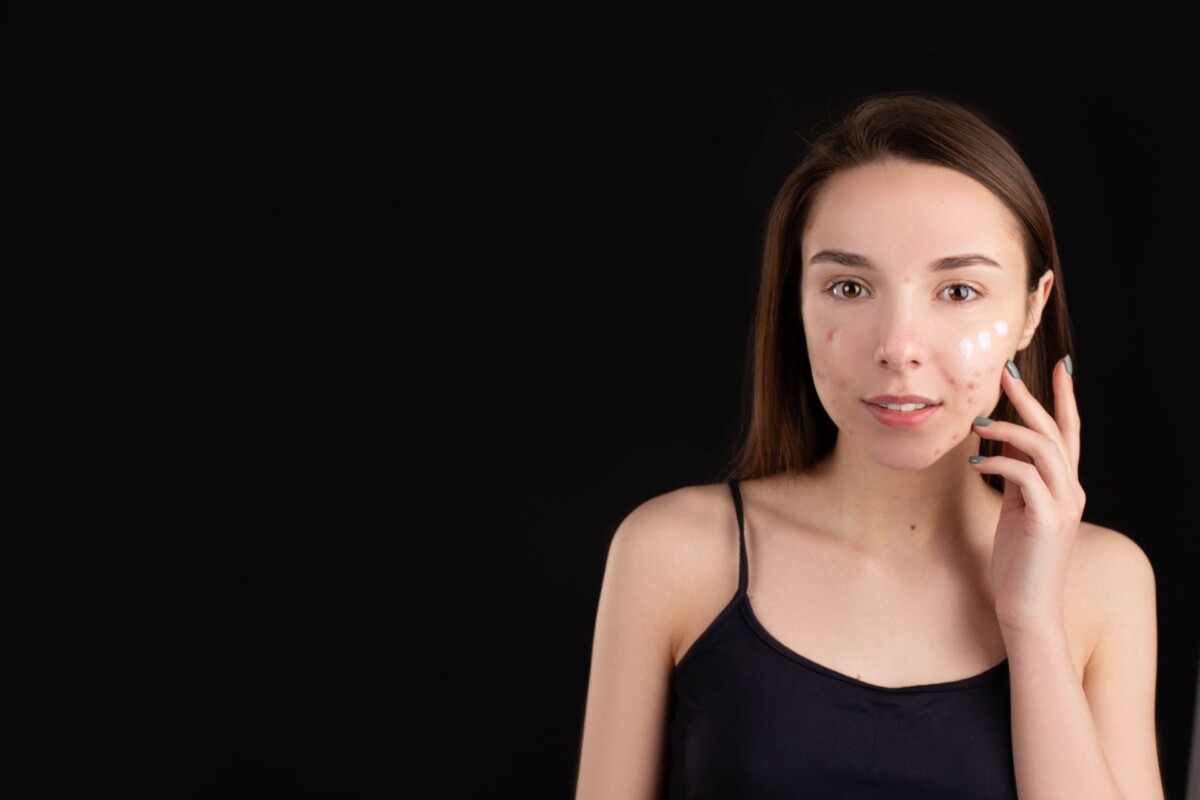

You thought you’d left pimples behind with your school uniform. Then, somewhere in your 40s, a cluster of tender red spots turns up along your jawline, and you’re buying spot cream along with your reading glasses.
You’re in good company. Healthify He Puna Waiora, the national health information site, says acne can start at any age and may continue into your 30s and 40s. The skin health site DermNet says about 15% of women and 5% of men keep having acne as adults, and that it can also start in adult life.
A US survey of 1,013 adults in Alabama, published in the Journal of the American Academy of Dermatology in 2008, found 26.3% of women in their 40s reported acne, along with 15.3% of women aged 50 and over. For men, the figures were 12% and 7.3%. Those were people’s own reports, not a doctor’s diagnosis.
Why it turns up now
Hormones top the list. Healthify says changes linked to menopause, pregnancy, starting or stopping the pill and conditions such as PMOS (polyendocrine metabolic ovarian syndrome, which used to be called PCOS) can cause acne in adult women.
A 2019 review in the International Journal of Women’s Health explains that around menopause there’s a relative increase in androgens, often called male hormones. That can show up as acne, unwanted hair and thinning hair. The review also says most menopausal women with just a few spots have normal androgen levels and don’t need extensive tests.
Medicines can play a part. Healthify lists steroids, lithium, some contraceptives and some anti-epileptic medicines. If you suspect one of yours, the American Academy of Dermatology says to keep taking it and talk to the doctor who prescribed it.
Then there’s what goes on your face and hair. DermNet names some moisturisers, foundations and hair pomades, and suggests watching for lanolin, petrolatum, vegetable oils, butyl stearate, lauryl alcohol and oleic acid on the label.
Healthify says there’s some evidence stress and depression can make acne worse, and smoking might contribute to acne in older people. Dirty skin isn’t the culprit. Healthify says poor hygiene doesn’t cause acne, so scrubbing harder won’t fix it.
Is it acne or rosacea?
This is the question worth asking in your 40s and 50s. Rosacea usually starts between 30 and 60 and becomes more common with age, DermNet says. It affects about 5% of adults worldwide, and men and women about equally.
Healthify lists its symptoms as facial flushing, redness, acne-like spots, small visible blood vessels, thickened skin and eye problems. DermNet says rosacea mainly affects the central face, while the inflamed spots of adult acne are common on the jawline and neck.
The difference matters, because some things that help one can upset the other. DermNet advises against using steroid creams on rosacea because they may make it worse, and Healthify lists hydrocortisone cream among its triggers, alongside sunlight, hot drinks, spicy food and alcohol.
If your cheeks and nose flush easily and the spots sit there, get your GP to take a look. Healthify says to see a healthcare provider urgently if you get eye pain or vision problems.
What helps
Start at the pharmacy. Healthify says you can buy mild salicylic acid products and benzoyl peroxide (such as Benzac) without a prescription, with stronger benzoyl peroxide sold only in pharmacies. Azelaic acid is less likely to irritate than benzoyl peroxide, Healthify says, and DermNet says it works on both acne and the bumpy kind of rosacea.
Adapalene gel, a retinoid, is another option. Under Medsafe’s classification, a pharmacist can supply the 0.1% gel in packs of up to 30 g for acne, and Pharmac funds it (Differin) on prescription. Healthify calls retinoids the most effective type of treatment you put on the skin.
Patience is part of the treatment. Healthify says it can take 2 to 3 months of daily use before you see a clear improvement, and stopping early is the most common reason acne treatment doesn’t work.
DermNet adds that these creams keep acne under control rather than cure it, so you need to keep using them. Whatever you use, don’t pick or squeeze, Healthify says, because it can lead to scarring.
If your acne is persistent or severe, see your healthcare provider. Healthify says prescription treatments can help and may prevent scarring if started early. Options include tretinoin cream, antibiotics (which Healthify says generally shouldn’t be used long term because of antibiotic resistance) and spironolactone, which it says can help with hormonal acne in women.
That last one suits this age group. The 2019 review says the combined pill is relatively contraindicated after menopause, and calls spironolactone the first choice when hormone-blocking tablets are needed. DermNet says it can take six or more months to see the difference.
For stubborn acne, there’s isotretinoin. DermNet says it can be very effective for adult acne and is well tolerated in low doses. Healthify says about 9 in 10 people who take it see an improvement.
Pharmac funds it through a Special Authority application, which a dermatologist, vocationally registered GP or nurse practitioner can make. Pregnancy has to be avoided from a month before treatment until a month after it ends.
At 15, you had a bathroom mirror and a tube of something from the supermarket. These days you’ve got a pharmacist, a GP and, ideally, a bit more patience.