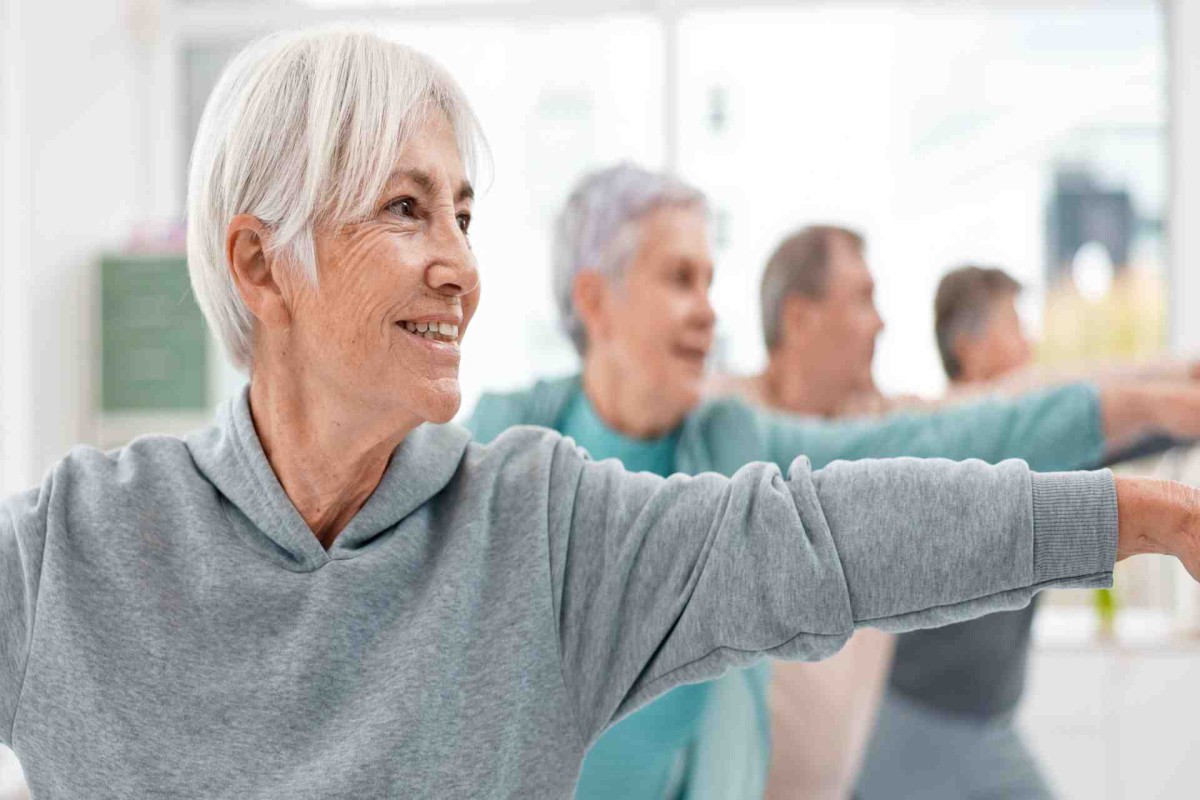

From head injuries to hip fractures, dislocated shoulders to herniated discs, falls and their associated injuries are a leading cause of decline among older people. According to Age Concern New Zealand, one in three New Zealanders over 65 will fall each year and this increases to one in two for people over 80.
Older people are more likely to fall because of weaker legs, poor balance, eyesight problems, nutritional deficiencies, hazards in the environment, or side effects from medications. As people get older, falls can cause serious injuries and in some cases they can even be fatal.
The fall cycle
Age Concern New Zealand says that once someone has had a fall, they may lose confidence in their abilities and restrict their daily activities to avoid future falls. This can lead to a cycle of declination in ability. Participating in fewer activities for fear of falling can lead to decreased muscle strength and poor balance, which increases the risk of falling in the future. Instead, if you have a fall, it is better to focus on maintaining activity to build muscle strength, balance and coordination and to improve your blood pressure, blood sugar levels and weight.
The good news is that falls don’t have to be part of the aging process. With regular strength and balance exercises it’s possible to remain steady on your feet, increase your confidence and wellbeing and continue to live an independent life.
Community strength and balance classes
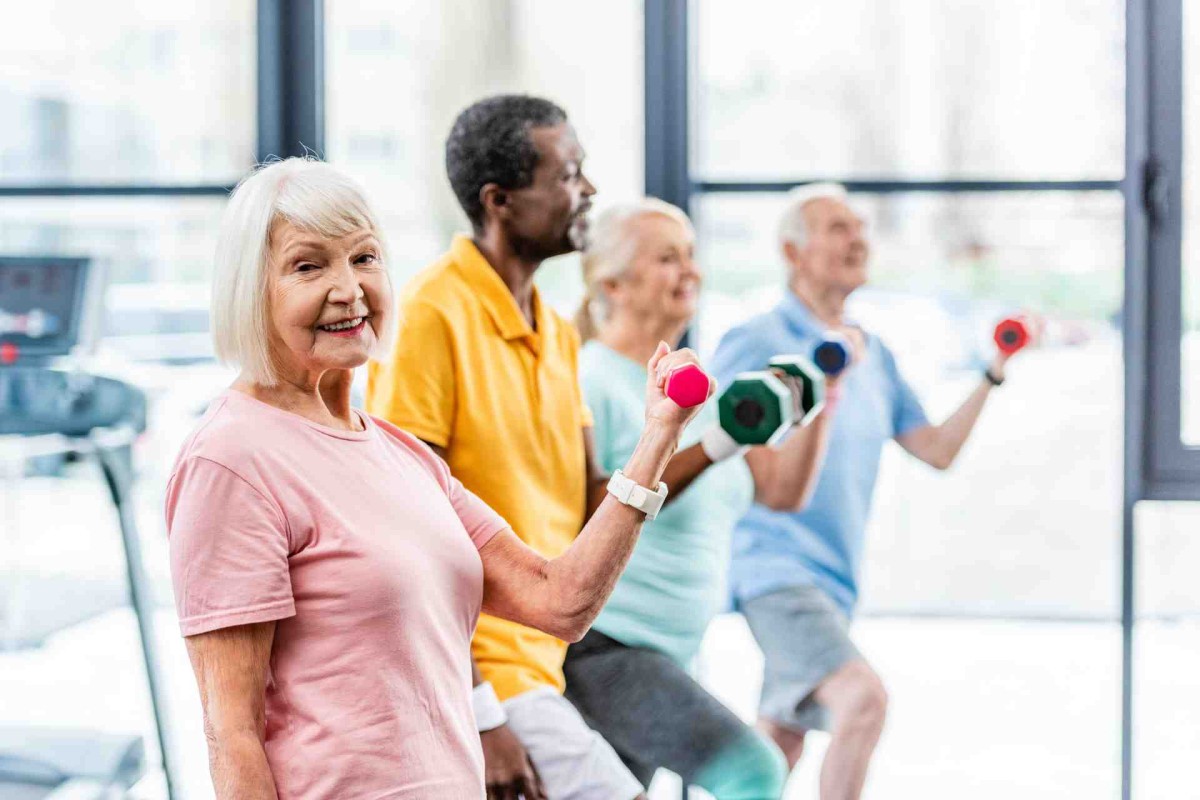
Live Stronger for Longer strength and balance classes are supported by ACC and the Ministry of Health. The classes aim to prevent and reduce falls by focusing on lower body and core strength along with balance to improve movement ability and confidence. Find your local class by clicking on this link: Live Stronger for Longer.
Classes are led by experienced instructors who will take you through some ‘huff and puff’ activities as well as balance and stretching exercises. There are a wide range of different exercise options available in communities nationwide including Tai Chi, Zumba, Yoga, gym circuit classes, pool classes, dance classes and chair-based exercise.
There are classes all around New Zealand, organised by local community health providers, home carers and community groups.
Exercising at home for over-65s
If you or someone you know has recently had a fall or isn’t feeling confident about going out to an exercise class, ACC has a free exercise app called Nymbl that you can download on your phone or tablet. Nymbl combines exercises for your body and your mind. They can be done in simple 10minute sessions, a few times a week or as often as you like.
“Regular use of Nymbl has been shown to reduce the chances of falls by 30%,” says Bethan Collings, a Live Stronger for Longer co-ordinator. “It’s a really simple way to improve your strength and balance in your own home.”
As part of her classes Bethan helps participants to download the Nymbl app and is encouraging them to get their friends and family to do the same.
Tips to keep you from losing your balance
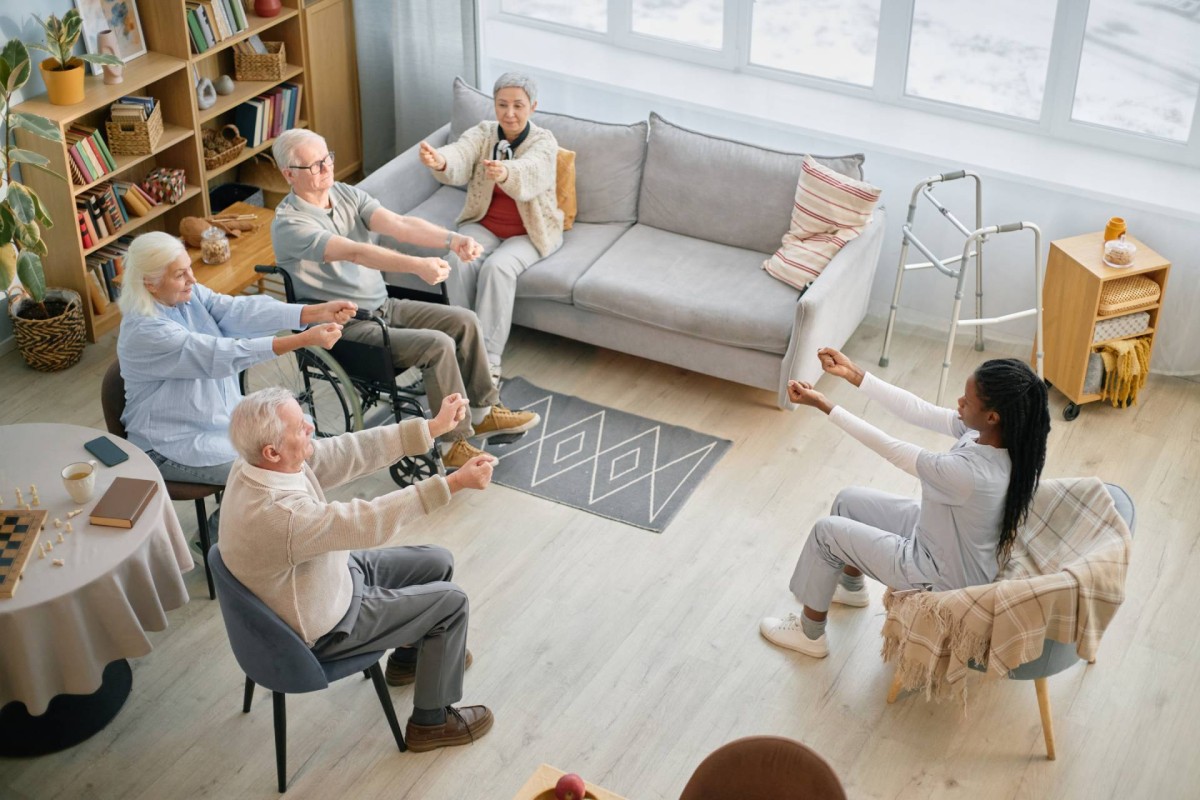
If you know you are likely to have a fall, Age Concern New Zealand recommends taking these measures to keep from losing your balance:
Having a call bell or button within reach
Taking your time to get up
Asking for assistance if you need it, particularly if you feel dizzy, weak, or light-headed
Avoiding wet or slippery floors
Wearing well-fitting shoes
Using handrails in hallways and bathrooms
Using your walking aids appropriately
Having a night light or easily accessible light for getting up at night
No using an IV pole, tray table, or easily moveable object to steady yourself
Reducing trip hazards in your home
To avoid falls in your home, it is important to limit the hazards in your environment to make it safer for you to get around. Some common ways to reduce hazards in a home include:
Limiting rugs, especially ones with frayed or rolling edges and ones that slide when you walk on them
Having non-slip bath or shower mats
Installing handrails in bathrooms and hallways
Having a telephone within reach of your chair or bed
Ensuring electrical cords do not cross walkways
Having adequate lighting
Be prepared and supported in case of a fall
If you live alone, or you are a carer for your partner, it’s important to consider these ways of being prepared and supported in case of a fall:
Keep a spare house key with at least two close friends or loved ones who can help in the event of a fall. Some people opt to have a lockbox outside their front door and give friends and family the code.
Stay connected by having a regular weekly phone call or text with at least two people.
Keep an up-to-date list of medications and their dosage in an agreed place for loved ones.
If you have a pet, check in with friends and family about who could look after them if you ever need to stay in hospital.
How to get up after a fall
According to Age Concern New Zealand, despite prevention measures, there is still a chance that you may fall at some point. If you do fall at home, it is important to stay calm.
If you think you can get up, you should bend your knees, roll onto your side, and get onto all fours. If you can crawl towards a sturdy chair, you can use the chair as support to get yourself seated. Rest as much as you need in this process and try again if you need to.
If you cannot get up, try to roll or crawl towards a phone. You can also call out to a neighbour. If you are at risk of falls, you may want to consider a personal medical alarm to call for help in the event of a fall.
After a fall, it is important to visit your doctor to get assessed for injuries and to assess strength and balance to help prevent further falls.