
The best smart tech solves a real problem — the rest just impresses in the showroom. What’s worth wiring in, and what to skip.
Walk into any home show and you’ll find plenty of gadgets promising to make your house ‘smarter’. But what does smart actually mean in this context?
The best smart home technology should solve a problem, improve comfort, save energy or make everyday life easier. Some genuinely earn their place.
A smart thermostat, automated heating system or video doorbell can add real convenience and security. But plenty of technology is more impressive in the showroom than it is in everyday life. Knowing what to avoid can save money, complexity and future headaches.
Smart lighting, blinds, ovens and even taps that respond to voice commands sound futuristic, but the reality can be less seamless. Voice assistants can struggle with background noise, multiple users or accents, turning a simple instruction into a frustrating back-and-forth.
Voice control works best when it solves a specific problem, such as playing music, setting timers or controlling a few frequently used lights. Replacing every physical switch in the home with voice commands often adds complexity without much benefit. A light switch still works instantly, regardless of your internet connection or whether your assistant understands the request.
Smart fridges that track food levels and washing machines controlled through an app are classic examples of technology trying to solve problems many homeowners don’t have. Connected appliances often cost much more than standard models while relying on apps and software that may not be supported forever. A manufacturer update, discontinued service or forgotten password can turn a premium appliance into one with fewer useful features than expected.
The same applies to committing an entire home to one brand’s ecosystem. A fully automated house controlled through one app can sound appealing, but it can create long-term risks.
Companies change, subscriptions appear, product ranges are discontinued and technology moves quickly. A lighter approach is often more practical. Automate the things that genuinely improve daily life rather than adding sensors and controls simply because they are available.
Keyless entry can be useful, especially for managing access for guests, cleaners or tradespeople, but smart locks should not replace basic security measures. Battery failures, connectivity issues and software problems can create frustrations, while physical security features such as quality locks, strong doors and good lighting remain essential. A smart lock is best viewed as a convenience upgrade rather than the foundation of home security.
The easiest smart home trend to skip is technology chosen because it is fashionable rather than useful. Before adding any device to a renovation plan, ask what problem it solves.
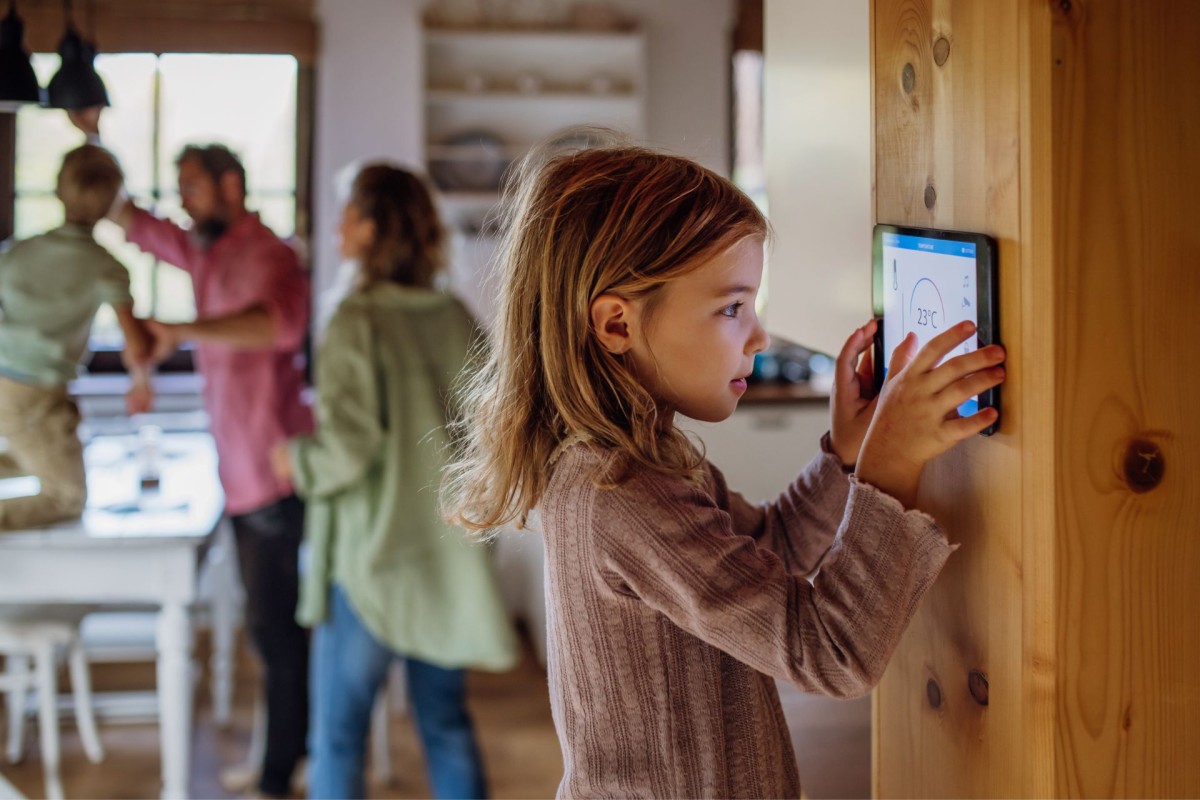
A smart heating controller that lets you warm the house before arriving home has a clear benefit. A mirror that displays the weather may be entertaining, but it is unlikely to change how the home functions.
Smart technology is most valuable when it improves everyday life unobtrusively. Worthwhile upgrades include programmable heating and cooling, smart smoke alarms, security cameras, automated lighting in key areas and energy monitoring systems.
A smart home might have heaps of technology. The smartest home will have carefully chosen devices that make it safer, more comfortable and easier to live in, without becoming one big maintenance problem.