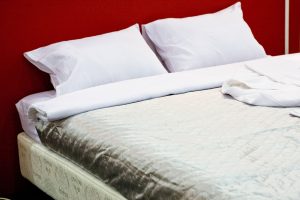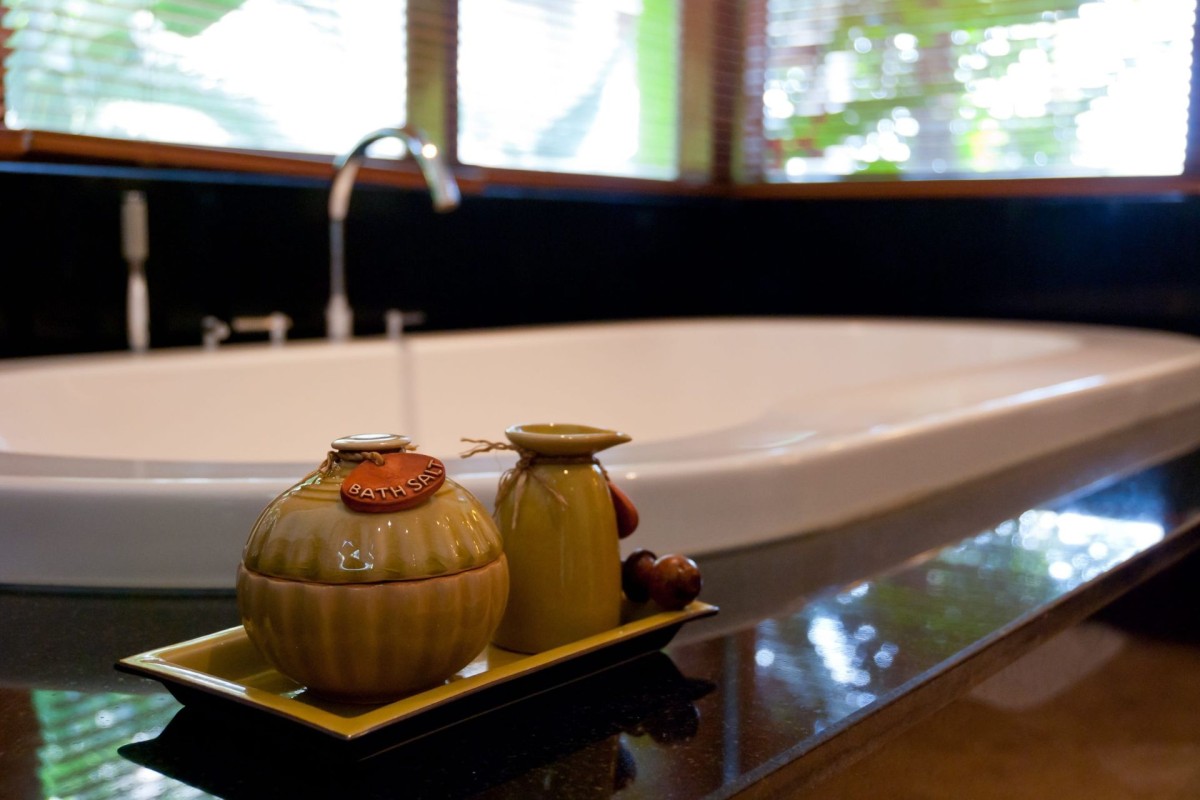

A warm bath has always felt good, but there is growing evidence that it can do more than simply help you unwind. Used well, a bath can become part of a healthier evening routine, easing tired muscles, encouraging better sleep and providing a rare opportunity to disconnect from the demands of the day.
One of the strongest pieces of research comes from a 2019 review published in Sleep Medicine Reviews. It found that taking a warm bath or shower around one to two hours before bed helped people fall asleep roughly 10 minutes faster on average and improved overall sleep quality. Even a soak lasting just 10 minutes appeared to provide benefits.
The science is surprisingly straightforward. Rather than keeping your body warm all night, a bath actually helps you cool down afterwards. Warm water increases blood flow to the skin, allowing heat to escape more efficiently once you get out. As your core body temperature gradually drops, your brain receives one of its natural signals that it is time for sleep. It’s a simple biological process that works alongside your body’s circadian rhythm. While it isn’t a cure for chronic insomnia or other sleep disorders, it can become an effective part of a consistent bedtime routine.
Temperature matters too. Water that is pleasantly warm rather than extremely hot tends to provide the greatest benefit. Very hot baths can raise your heart rate, leave you feeling overheated or dehydrated, and may actually make it harder to settle afterwards. Aim for comfort rather than endurance. Twenty to thirty minutes is usually enough to enjoy the benefits without drying out your skin.
A bath is also an opportunity to create a genuinely restorative environment. Small changes can make a surprisingly big difference. Lower the lighting or use candles to create a softer atmosphere. Play calming music through a waterproof speaker, whether that’s Enya, Enigma, instrumental piano or simply your favourite relaxing playlist. A bath caddy or wooden board across the tub creates space for a cup of herbal tea, a romance novel or a favourite magazine, allowing you to slow down without reaching for your phone.
Adding fragrance can further enhance the experience. Lavender has been studied for its calming properties and is commonly used in aromatherapy, while chamomile, bergamot and sandalwood are also popular relaxing scents. If using essential oils, always dilute them first in a carrier oil or bath product before adding them to the water, as concentrated oils can irritate the skin.
Bath products themselves deserve a little thought. Epsom salts remain popular for relieving tired muscles after exercise, although scientific evidence suggests most of the benefit comes from the warm water rather than magnesium being absorbed through the skin. Bubble baths and bath bombs can make the experience more enjoyable, but people with sensitive skin may be better choosing fragrance-free products to avoid irritation.
The bath can also double as a simple at-home spa treatment. Warm water softens the outer layer of skin, making it an ideal time to gently exfoliate with a homemade sugar scrub or soft exfoliating mitt. A pumice stone can help smooth rough heels, while a nourishing body oil or moisturiser applied immediately afterwards locks in hydration while the skin is still slightly damp. Jojoba, sweet almond and coconut oils are all popular options.
For people who spend long hours on their feet or at a desk, a bath can also provide welcome physical relief. Warm water helps relax tight muscles, improve circulation and reduce feelings of stiffness after a busy day. Adding gentle stretching while soaking or immediately afterwards can improve flexibility, particularly for the lower back, hips and shoulders. Athletes often alternate between warm baths for relaxation and cold water for recovery, but for most people, warmth alone provides plenty of comfort.
Hydration is easy to overlook. Spending time in warm water causes mild sweating, so it’s worth keeping a glass of water or herbal tea nearby. Alcohol may feel indulgent in the bath but can increase dehydration and affect balance when standing up, particularly for older adults.
Comfort should never come at the expense of safety. The bathroom remains one of the most common places for a fall. According to ACC, around 30% of New Zealanders aged over 65 experience at least one fall each year, and bathrooms present particular risks because of hard surfaces and slippery floors. A securely fixed grab rail, non-slip mat, lever-style mixer tap and bath seat can make entering and leaving the bath much safer. Good lighting, even if dimmed during the soak, should be bright enough when getting in and out.
Water temperature deserves attention as well. Running the cold tap first before adding hot water helps reduce the risk of scalding, and testing the water with your hand or elbow before stepping in is always worthwhile. Many modern homes also have tempering valves that help prevent dangerously hot water reaching bathroom taps.
Finally, give yourself a few quiet minutes after the bath rather than rushing straight back into emails, housework or bright screens. Put on comfortable sleepwear, dim the lights and let your body continue its natural cooling process. Used consistently, a warm bath becomes more than a luxury. It can be a simple ritual that supports better sleep, healthier skin, reduced stress and a welcome sense of calm at the end of the day.