
22nd April 2026
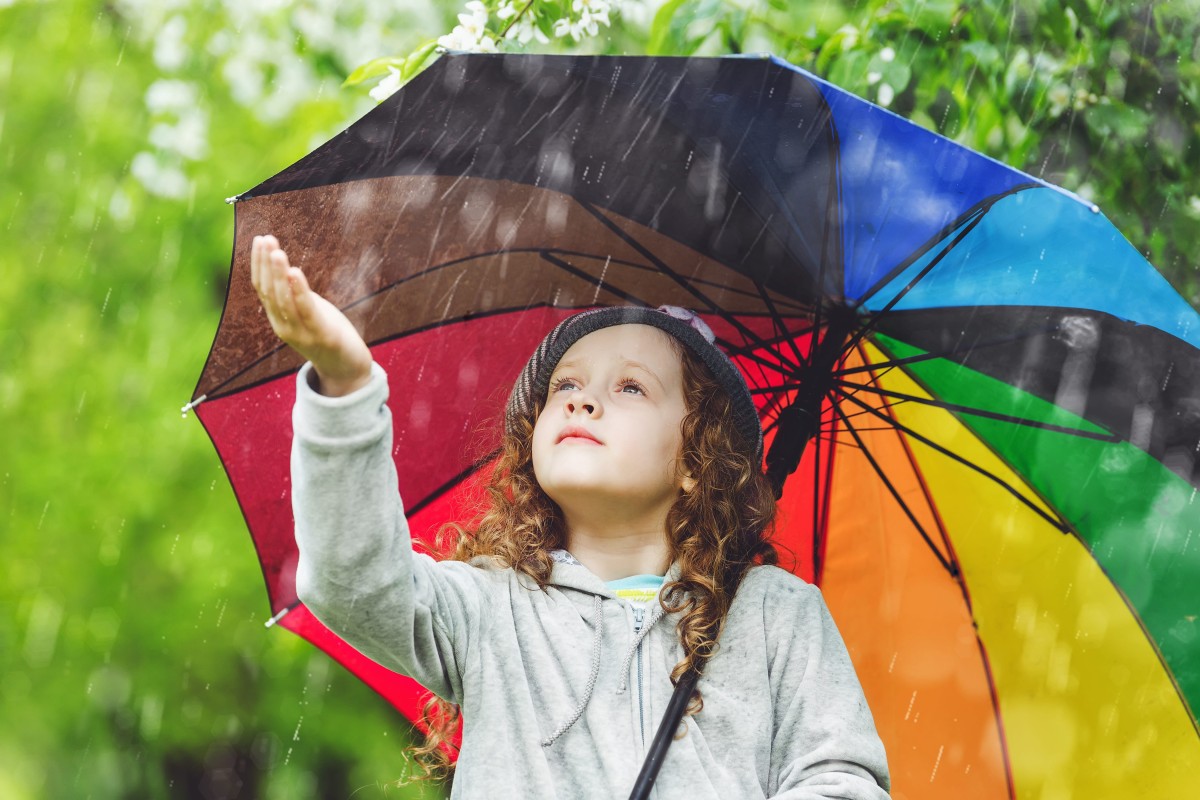
There is something instinctively refreshing about stepping out into the rain. But beyond the novelty or nostalgia it may trigger, there are real psychological and physiological reasons why feeling rain on your skin can leave you feeling calmer, clearer, and even subtly uplifted.
One of the key factors is how rain engages the senses in a grounding way. The sensation of cool water on the skin, the rhythmic sound of falling drops, and the earthy smell that follows a shower all pull attention into the present moment.
This form of sensory focus interrupts cycles of overthinking or stress, helping the mind settle. Psychologists often refer to this as grounding, a shift from internal mental noise to immediate physical experience. Nature exposure is linked to lower stress and improved mood, including reduced cortisol levels.
Rain also taps into what is known as biophilia, the human tendency to feel restored in natural environments. Even brief exposure to natural elements can reduce stress responses in the body.
Rain is particularly effective because it is immersive and dynamic. It signals a living environment in motion, which the brain often interprets as calming rather than threatening.
Sound plays a significant role, too. The steady, consistent pattern of rainfall acts much like white noise, masking sudden or sharp sounds that might otherwise keep the nervous system alert.
This auditory consistency helps the body transition into a more relaxed state, lowering vigilance and encouraging rest. Its steady sound works like natural white noise, which can ease alertness and support relaxation.
There is also a physical element to consider. Rain often brings a drop in temperature, which can feel like a natural reset, especially if you’ve been warm or mentally overloaded. That cooling effect can signal the body to slow down slightly, easing physical tension in the process.
Then there is smell. The distinctive scent that follows rainfall, known as petrichor, comes from compounds released by soil and plants.
Humans are highly sensitive to these earthy aromas, which are often associated with freshness, renewal, and growth. While subtle, this sensory cue can influence mood in gentle but meaningful ways.
Finally, rain has a psychological effect on pace. When it rains, daily life often slows. People move more deliberately, plans shift, and there is an unspoken permission to pause.
Even briefly standing in the rain can create a sense of stepping outside routine, which the mind often experiences as relief. While not all claims are proven, these combined effects explain why rain often feels calming and refreshing.
Taken together, it is not one single mechanism but a combination of sensory, environmental, and psychological effects that make rain feel so restorative. Those few moments in the rain may be more beneficial than they first appear.