
Some performers you applaud and forget. The Topp Twins you wanted to claim as your own, as a cousin, an aunty, or the pair who once played your local hall. The news in late May that Dame Jools Topp had died, at home and at 68 with her twin sister Lynda beside her, landed less like celebrity news and more like a loss in the wider family. Her sister’s words for it were perfect, and very Topp. “Now she is finally free,” Lynda said, “to ride on Pegasus, her winged horse, and round up sheep again with our dad Peter and all her precious dogs.”
To understand why a yodelling comedian could matter that much, start where Jools and Lynda started: on a dairy farm near Huntly, two farm kids who grew up singing, riding horses and mucking in. The accent, the ease on a stage, the bone-deep countryness, none of it was an act. It was just where they were from, and never once apologised for.
What made them remarkable was being funny and fearless at once, a rarer combination than it sounds. Through the 1980s the Topp Twins were on the front line of the arguments that shaped modern New Zealand: the 1981 Springbok Tour protests, the campaign for a nuclear-free Pacific, Homosexual Law Reform. They were openly lesbian decades before it was safe or fashionable, and refused to treat it as a secret. “It was pure honesty about who we were,” Jools once put it. “And if you didn’t like it you didn’t have to come and see the show.”
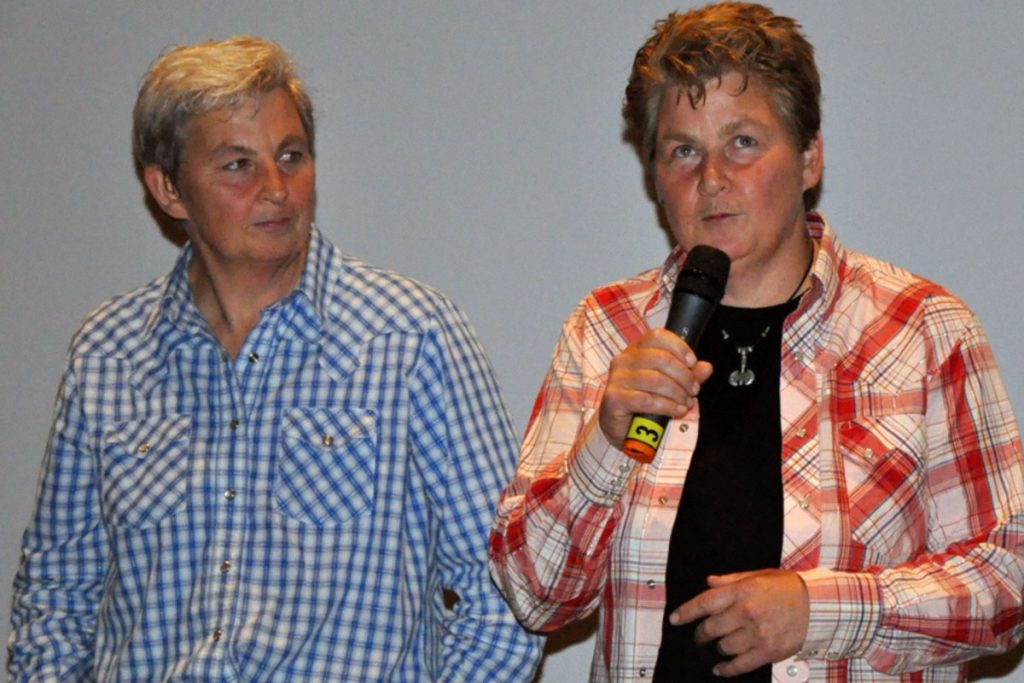
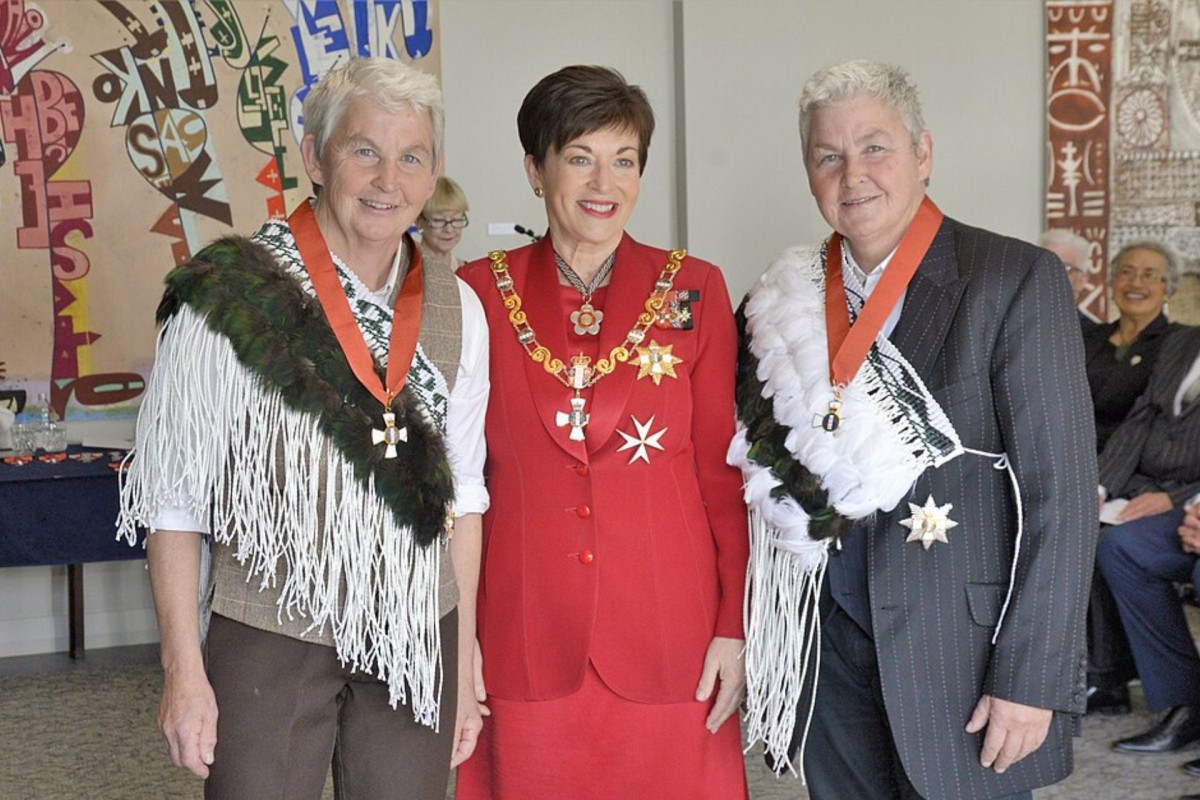
They built a gallery of characters New Zealanders still quote: the genteel menace of Camp Mother and Camp Leader, the rural blokes Ken and Ken with a beer and an opinion. The comedy was sharp but almost never cruel, its own kind of craft. In 2018 the two farm girls from Huntly were made Dames Companion together, prompting a great headline about the rebels finally getting their medals.
For a generation who never caught them live, the 2009 documentary The Topp Twins: Untouchable Girls did the introducing, winning the People’s Choice Award at Toronto and sending audiences out feeling better about their country. Underneath the laughter was the thing they were really offering: permission. Permission to be rural and clever, queer and beloved, political and warm, all at once and without flinching.
What they gave New Zealand is hard to measure, because so much of it has become the air we breathe. A more relaxed idea of who counts as a real Kiwi. A sense that you can hold strong opinions and still make the room laugh. The understanding that a yodel can be a form of national affection. Jools is gone, but the permission she handed out is not. Free to ride on, indeed.