
28th April 2026
Smart home technology has moved well beyond novelty. Done well, it can make a home more comfortable, secure and efficient without adding complexity to daily life. The key is to focus on systems that solve real problems rather than filling your home with gadgets you rarely use.
For homeowners considering a renovation or upgrade, integrating smart technology is also easier when it is planned early, although many solutions can be retrofitted with minimal disruption.
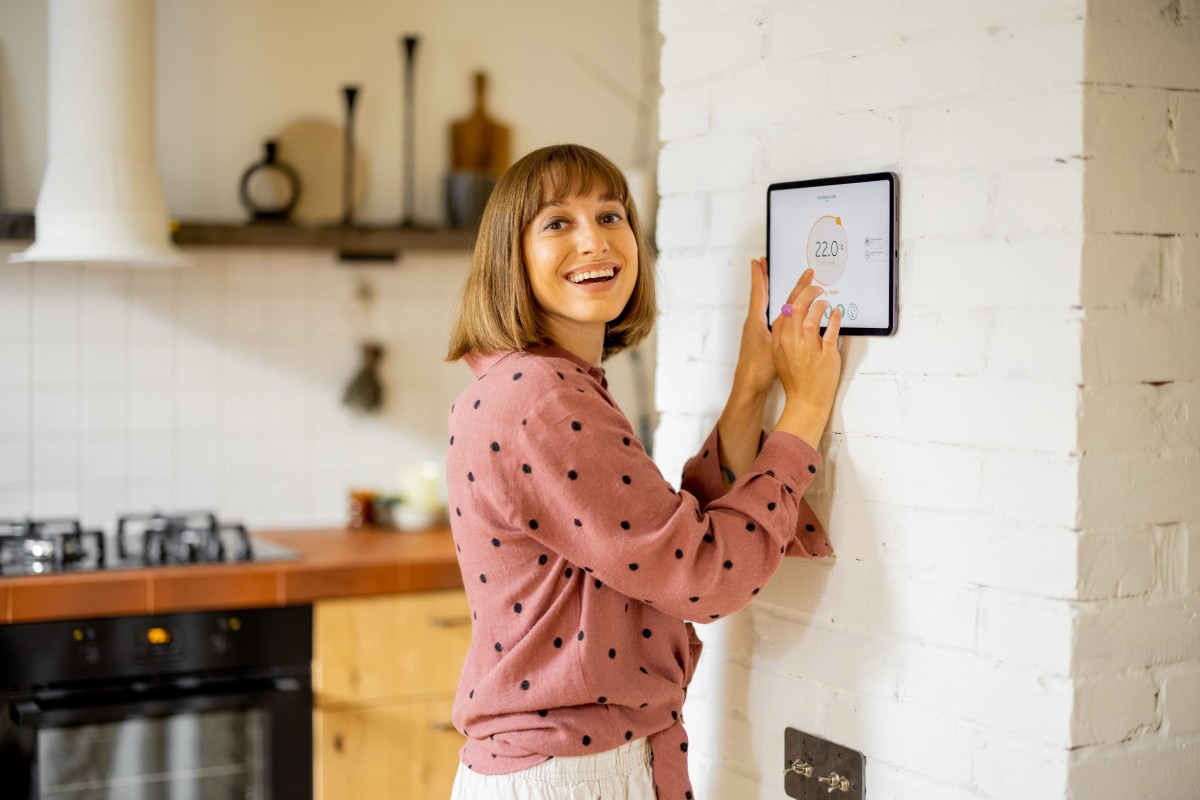
At the centre of any smart home is control, allowing you to manage your home electronics from anywhere with an app, tablet or voice assistant.
Smarter home security
Security is often the first area homeowners choose to upgrade. Smart security systems can include cameras, motion sensors, door and window sensors and video doorbells.
These systems allow you to monitor your home remotely and receive alerts if something unusual happens. Many also offer two-way communication, so you can speak to visitors at your door even when you are not home.
Smart locks are another popular option with keyless entry that can be controlled remotely.
Heating and climate control
Smart heating systems are one of the most practical upgrades. They allow you to control temperature remotely and set schedules that match your routine.
For example, you can have your home warm up before you wake up or return from work, rather than heating it all day. Some systems learn your habits over time and adjust automatically, improving both comfort and energy efficiency.
Zoned heating is also becoming more common, allowing different areas of the home to be heated independently. This avoids wasting energy on rooms that are not in use.
Lighting that adapts to your day
Smart lighting goes beyond simply turning lights on and off. It allows you to adjust brightness, set schedules and create different moods throughout the day.
You might set softer lighting in the evening, brighter light for tasks, or automate outdoor lighting for security. Motion sensors can also be used in areas like hallways or bathrooms for convenience.
In open-plan homes, lighting can help define zones without the need for physical barriers.
Automated blinds and window coverings
Motorised blinds and curtains are becoming an increasingly popular addition to smart homes. They can be programmed to open and close at certain times of day or adjusted remotely.
This is not just about convenience. Automated blinds can help regulate indoor temperature by reducing heat gain in summer and retaining warmth in winter. They also add a layer of privacy and security when you are away.
Integration is what makes it work
The most effective smart homes are those where systems work together. For example, a “goodnight” setting might turn off lights, lock doors, lower blinds and adjust the thermostat with a single command.
This level of integration reduces the need to manage each system separately and makes the technology feel seamless rather than intrusive.
Keep it practical
It can be tempting to adopt every new piece of technology, but the most successful smart homes are built around real needs. Focus on areas where automation will save time, improve comfort or enhance security.
It is also worth considering ease of use for everyone in the household. Systems should be simple enough that they do not require constant troubleshooting or technical knowledge.
A smart home is not about complexity. It is about making your home respond more intelligently to the way you live. Whether it is improved security, better climate control or more thoughtful lighting, the right technology can quietly enhance daily life.
Start small, choose systems that integrate well, and build from there. Over time, these additions can create a home that feels more efficient, more comfortable and more in tune with your routine.