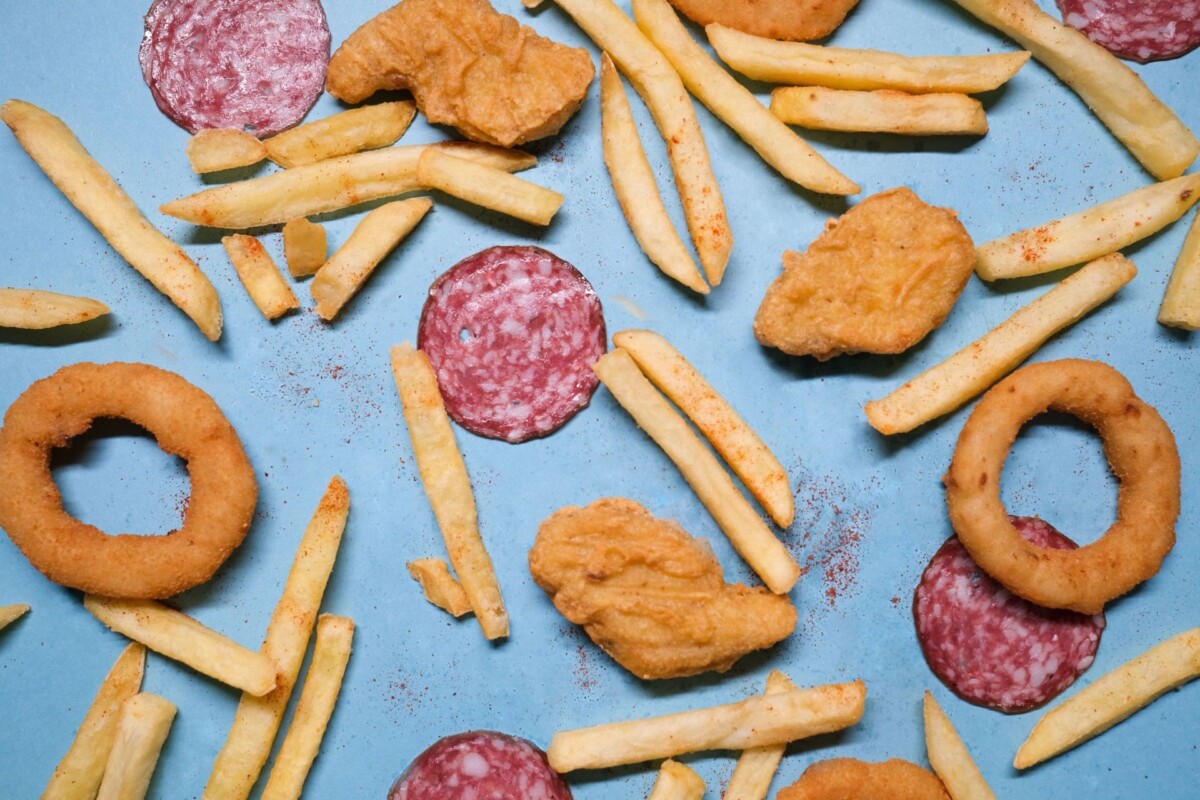

Sausages, soft drinks, packaged bread and breakfast cereal all sit in the same box marked “ultra-processed”. That box has a bad reputation, and bowel cancer is one of the diseases it often gets blamed for.
It’s a fair thing to worry about here. Bowel Cancer New Zealand says the country has one of the highest rates of bowel cancer in the world, with more than 3,000 people diagnosed each year and over 1,200 deaths. It’s our second biggest cause of cancer death after lung cancer.
So what does the research actually show? The newest large study, published in PLOS Medicine in October 2026, gives a more mixed answer than the headlines might suggest.
What the study found
Researchers at the US National Cancer Institute used the NIH-AARP Diet and Health Study, which followed 461,682 American adults. They were aged 50 to 71 and cancer-free when they filled in a food questionnaire in 1995 and 1996. By 2018, 10,075 of them had been diagnosed with bowel cancer.
Ultra-processed food made up a median 43% of the energy people ate. Yet once the researchers allowed for age, smoking, alcohol, exercise and other factors, the people who ate the most of it were no more likely to get bowel cancer than those who ate the least.
Some ultra-processed foods were linked to a lower risk, including bread, breakfast cereals, and frozen desserts and milk drinks. So were the whole grains, fibre, dairy and calcium people got from ultra-processed foods.
Ultra-processed meat and fish products went the other way. People in the top fifth for eating them had a 10% higher risk of bowel cancer than people in the bottom fifth. The authors say opposing effects like these may partly explain why the overall result came out flat.
They also wrote that their findings support current advice to eat whole grains, fibre, dairy and calcium, and to avoid processed meat.
There are limits. This is an observational study, so it shows links rather than cause and effect, and the authors point to the risk of errors in self-reported diets. The participants were older Americans who described their diet once, three decades ago.
Other research has found a link. A 2025 study in JAMA Oncology followed 29,105 US female nurses who had at least two bowel examinations before age 50. Those eating the most ultra-processed food, about 10 servings a day, had a 45% higher risk of conventional adenomas, a kind of precancerous polyp, diagnosed before 50, than those eating about three.
That study was observational too, and in a narrow group of women. The PLOS Medicine authors describe the evidence from studies like these as mixed.
What counts as ultra-processed
Most research uses NOVA, a system developed by researchers at the University of São Paulo in Brazil. It sorts food into four groups by how much it’s been processed, and ultra-processed foods are group four.
A 2019 report for the Food and Agriculture Organization of the United Nations, written by NOVA’s developers, describes these as industrial formulations, made mostly from ingredients used only in industry. Its examples include soft drinks, packaged snacks, mass-produced bread, biscuits, sweetened breakfast cereals, fruit yoghurt, instant noodles, sausages and burgers.
That’s a very wide basket, which helps explain why studies disagree. A wholegrain loaf from the supermarket and a fizzy drink can both count.
A Health New Zealand booklet, Healthy eating, active living, takes a more practical line. It names sweets, sugary drinks, biscuits, muesli bars, cakes, pastries, pies, instant noodles, salami, luncheon, chippies and store-bought burgers and pizzas, and suggests having them only occasionally.
What to eat, and when to see a GP
The same booklet, based on the Ministry of Health’s eating guidelines for adults, recommends at least five servings of vegetables and two of fruit a day. It suggests at least six servings of grain foods, mostly whole grain, plus two to three servings of milk products and some legumes, nuts, seeds, fish, eggs, poultry or red meat with the fat removed. If you eat red meat, keep it to less than 500 g cooked a week.
The World Health Organization’s cancer agency classifies processed meat as carcinogenic to humans, though it says that rating reflects the strength of the evidence rather than how big the risk is.
Food is only part of the picture. The National Bowel Screening Programme posts a free home test kit to eligible people every two years until they turn 75.
Health New Zealand says the starting age is 58 in most of the country. It dropped to 56 in eight districts on 30 September 2026, and is expected to drop to 56 everywhere else in the first part of 2027.
Health New Zealand also says bowel cancer often has no symptoms, and the kit is for people without any. Bowel Cancer New Zealand lists bleeding from the bottom, changes in bowel habits that come and go over several weeks, severe or recurring stomach pain, a lump in the abdomen, anaemia, and tiredness or weight loss for no obvious reason.
If you notice any of these, see your GP straight away. Don’t wait for your next kit to arrive.