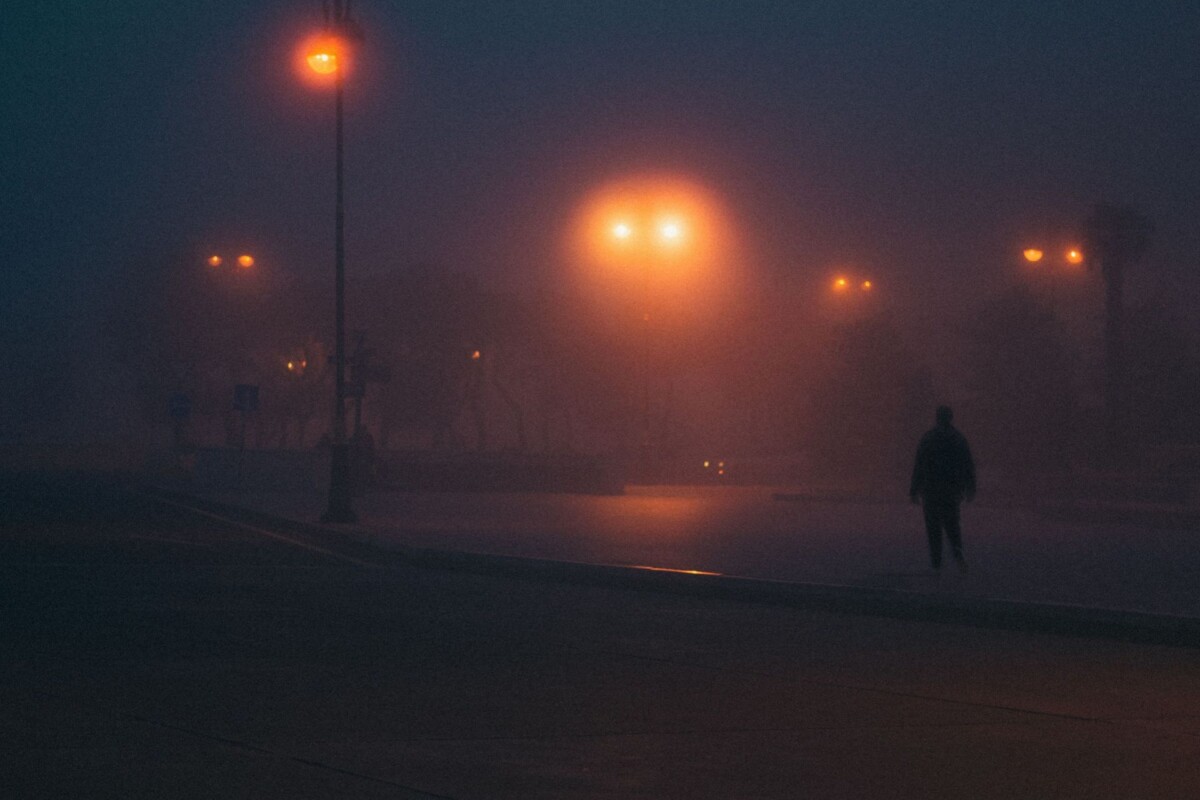

Most of us know what a run of bad nights does. You wake groggy, the afternoon drags and everything looks a shade greyer than it should. For some people with depression, researchers think the body clock may be part of the illness itself.
They call it circadian depression. It’s a proposed subtype, not a diagnosis your GP can give you, and the researchers behind it say it still needs testing before it’s ready for the clinic.
What the researchers mean
The idea comes largely from Professor Ian Hickie’s team at the University of Sydney’s Brain and Mind Centre. In a 2021 review in Neuroscience & Biobehavioral Reviews, Dr Joanne Carpenter, Hickie and colleagues, including Dr Kathleen Merikangas of the US National Institute of Mental Health, made the case for a distinct “circadian depression”.
The features they proposed are a disrupted 24-hour sleep-wake cycle, moving less, low energy and weight gain. They also linked it to depression that starts earlier in life, a poorer response to standard antidepressants, and heart, metabolic and inflammatory problems running alongside.
The team’s latest test of the idea was posted on medRxiv in February 2026 as a preprint, which means it hasn’t yet been peer reviewed. Led by Dr Emiliana Tonini, it drew on the Australian Genetics of Depression Study.
People counted as having the circadian subtype if they had at least three of six features. These were social jetlag, seasonal patterns, a late sleep midpoint, being an evening type, trouble waking up and sleeping too much.
About 23% of participants, 2,604 people, fitted the profile. Compared with the rest, they reported depression starting younger, more severe symptoms, more weight gain during episodes and a slightly poorer response to two common classes of antidepressant, SSRIs and SNRIs. They also carried more genetic risk linked to bipolar disorder, ADHD, insomnia and body mass.
The authors say the results support circadian depression as a clinical profile, pending independent replication. The data is cross-sectional, so it shows links rather than cause. Medication response was self-reported, and 80% of the circadian group were women.
A smaller 2025 lab study from the same group, published in the Journal of Biological Rhythms, monitored 69 young people seeking mental health care overnight.
Carpenter and colleagues measured body temperature, melatonin and cortisol, and found 23% had at least two of those rhythms out of step with each other, a kind of internal jet lag. The more out of sync the rhythms, the worse the depressive symptoms. The researchers note the study doesn’t show the misalignment causes mental ill health.
“Our findings suggest we might need to think differently about what kinds of treatments we’re giving people with mood disorders,” says Dr Jacob Crouse, a co-author at the Brain and Mind Centre.
What about older adults?
Most of this work is in younger people. The circadian group in the preprint had an average age of 38, and the lab study recruited people aged 16 to 35.
Older adults have their own evidence. Dutch researchers led by Dr Ritsaert Lieverse at VU University Medical Center in Amsterdam wrote that circadian rhythm disturbances are common in older people and accompany major depression at that age. Their 2011 trial in Archives of General Psychiatry gave 89 outpatients aged 60 and over an hour of bright light each early morning at home for three weeks, or a dim red light as a placebo.
Depression scores improved more with bright light, and kept improving in the three weeks after the lamps went away. Sleep efficiency rose and cortisol levels fell.
What’s being tested
Light is the most studied option. A 2025 meta-analysis in JAMA Psychiatry pooled 11 randomised trials with 858 patients who had nonseasonal depression and used bright light alongside their usual treatment.
Remission rates were 40.7% with bright light against 23.5% without. The authors called it an effective add-on treatment, not a replacement.
Regular daily rhythms are another. Stephen Smagula, a psychiatry researcher at the University of Pittsburgh, led a 2024 analysis of a non-drug programme that targets sleep and daily rhythms, tested in 87 adults with serious mental illness.
Six months on, 35% of those in the programme had at least halved their depression symptoms, against 8.8% on usual care.
Among the 35 participants aged 50 to 71, steadier day-to-day rhythms went with fewer symptoms six months later. Smagula and his co-authors say the age groups were small and larger trials are needed.
Closer to home, Healthify, the national health information site, says the body clock and the hormones that control sleepiness work best with a regular routine. It suggests going to bed and getting up at about the same time each day, weekends included, and getting into bright light soon after waking. That’s general sleep advice rather than a treatment for depression, and Healthify says to contact your healthcare provider if trouble sleeping lasts longer than a few weeks.
If low mood, poor sleep or low energy have hung around, talk to your GP, and mention your sleep patterns too.
If you need to talk now, free call or text 1737 any time to reach a trained counsellor. The Depression Helpline is 0800 111 757, or free text 4202. In an emergency, call 111.