
What are telomeres?
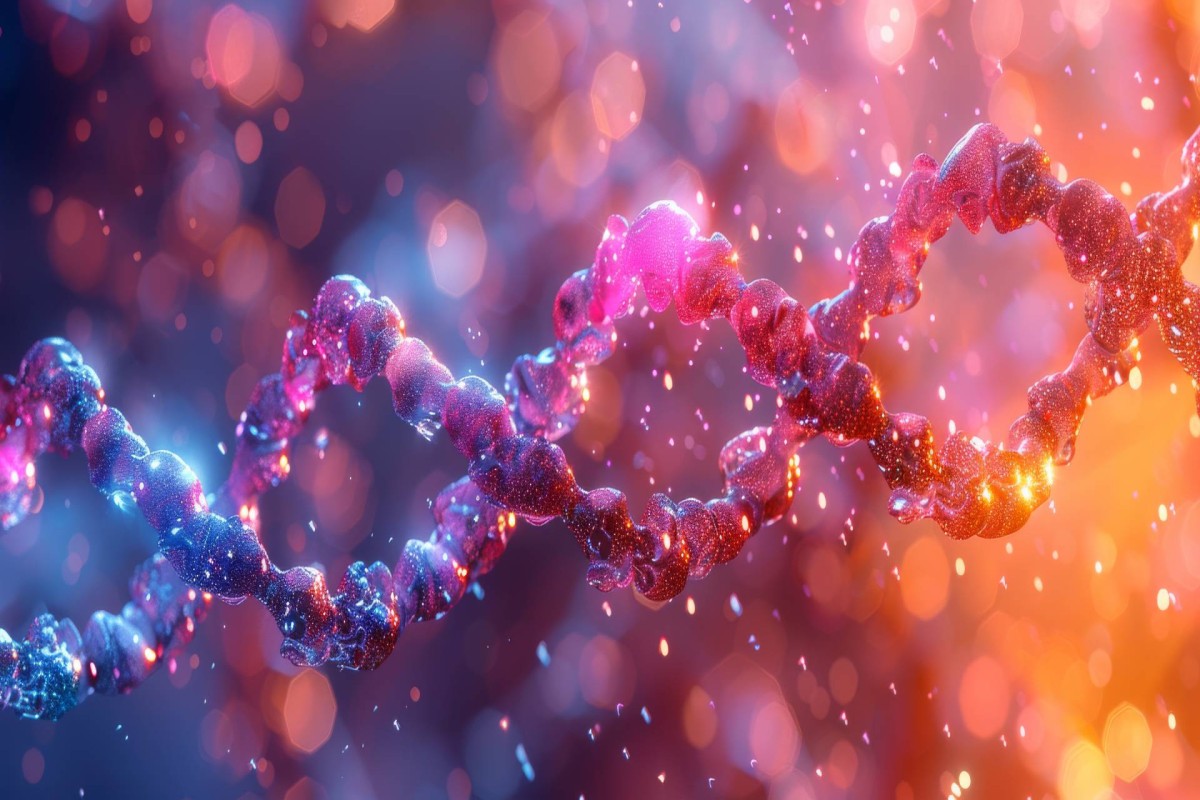
Tiny but powerful, telomeres are protective caps at the ends of your DNA, much like the plastic tips on shoelaces. Their role is to safeguard your genetic material during cell division.
As we age, telomeres naturally shorten. Once they become too short, cells stop dividing and enter a state called senescence, contributing to inflammation, disease, and tissue ageing.
Short telomeres are linked to an increased risk of heart disease, type 2 diabetes, osteoporosis, and cognitive decline. Fortunately, a special enzyme called telomerase can help rebuild them—and your daily habits play a major role in activating this repair process.
Eat to protect your telomeres
Telomeres are highly sensitive to oxidative stress, which can be reduced by eating antioxidant-rich, whole foods:
Vitamins C and E (in citrus, leafy greens, almonds, seeds) fight damaging free radicals.
Omega-3 fatty acids (from oily fish, flaxseeds, chia, walnuts) support cellular integrity and slow telomere loss.
Polyphenols (in berries, dark chocolate, green tea, olive oil) can stimulate telomerase activity.
Avoid ultra-processed foods high in sugar, additives, and refined oils that are associated with faster telomere shortening.
For a telomere-supporting meal, try a longevity salad with rocket, walnuts, pomegranate seeds, roasted salmon and olive oil.
Daily habits that make a difference
Beyond nutrition, lifestyle habits play a big role in maintaining telomere health:
Exercise: Moderate aerobic activity and resistance training are linked to longer telomeres. Consistency matters more than intensity; even daily walks or yoga help.
Sleep: Aim for 7–9 hours each night and maintain regular sleep-wake cycles to support natural cellular repair.
Limit toxins: Avoid smoking and excessive alcohol, both directly tied to shorter telomeres.
Stress: The silent age accelerator
Chronic stress increases cortisol and inflammation, both of which accelerate telomere shortening.
Incorporating calming routines can reverse this effect:
Mindfulness, deep breathing, tai chi, yoga, and time in nature all lower stress and may even boost telomerase activity.
Even 10 minutes a day of focused relaxation can positively influence your cellular age.
Stay younger, longer
By eating well, moving regularly, sleeping deeply, and managing stress, you can protect and even rebuild your telomeres.
These simple habits can help your body stay stronger, healthier and biologically younger for longer.